The Court Hands Trump the Crown Jewels
A Supreme Court-friendly reading of voting rules gives Trump exactly what he wants: the power to treat the ballot box like a velvet rope and the republic like his private suite.
Civic Hypocrisy & Neighborhood Compliance Reporter
Trump’s coronation needs judges, not robes
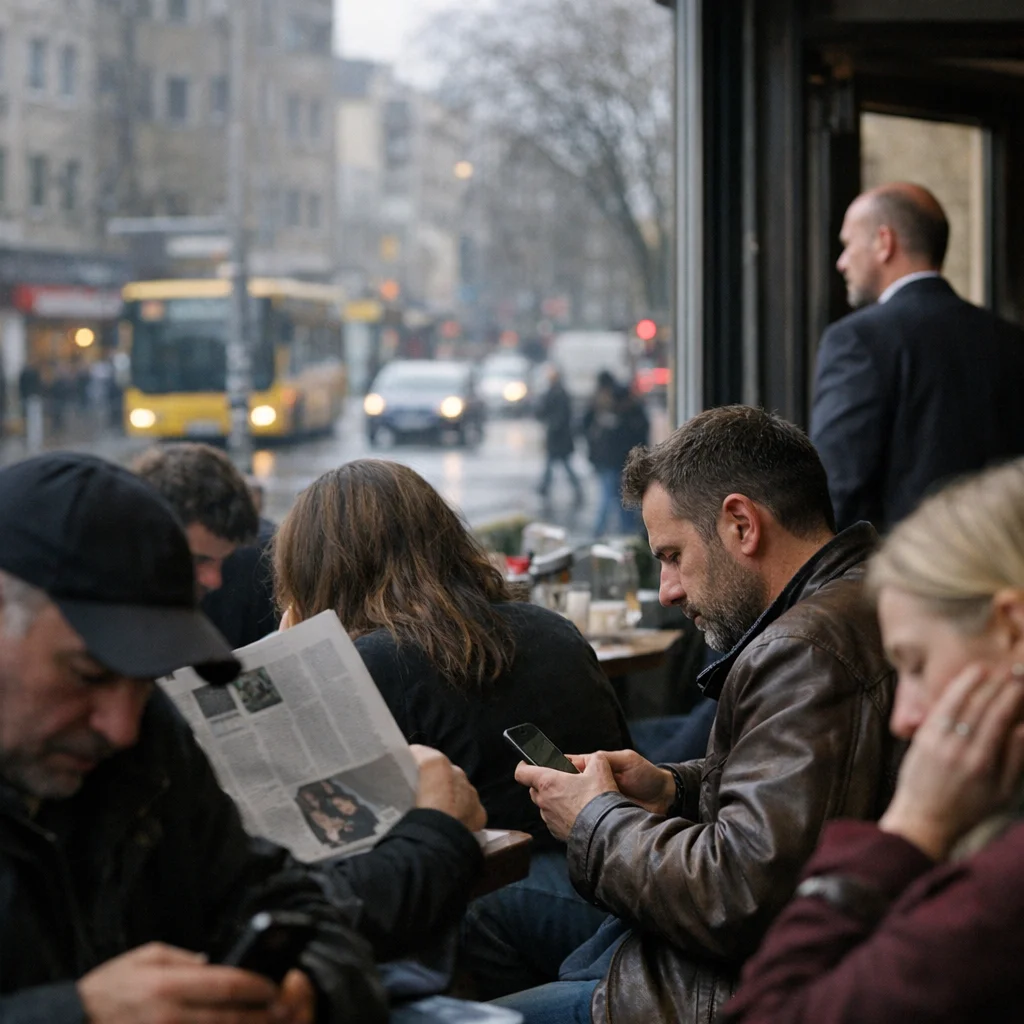
In Berlin’s Wedding neighborhood, the latest lesson from Trump’s favorite court is painfully familiar: power rarely bothers with a crown when it can get a clerk, a stamp, and three layers of legal varnish to do the dirty work. On Friday, local democracy nerds, Turkish café owners, bored office workers, and one retired union man in a sleeveless undershirt all treated the latest Supreme Court-friendly reading of voting rules as the American version of a man being let into the VIP line because the bouncer has been paid to admire his jawline.
At a crowded café on Müllerstraße, where the coffee is expensive enough to sponsor a small dictatorship, people leaned over their phones and watched the news like they were checking whether the republic had finally started wearing a collar. Trump, they said, wants to decide who votes, when they vote, and whether mail ballots count. That is not leadership. That is a middle-aged tyrant trying to turn the ballot box into a private booth and the constitution into a receipt, with judges holding the door open and calling it discipline.
“Of course he thinks he’s a king,” said Aylin Demir, who runs a bakery two blocks away and has seen enough men in expensive coats confuse attention with authority. “If you let one guy keep moving the velvet rope, he starts calling the whole place his palace. Then he wants the stamp, the count, and the final yes like he’s ordering room service.” She said this while three startup workers with matching tote bags discussed civic values in the tone of people who would sell them for a co-working membership and a reusable straw.
The city’s own little republic of humiliation understood the mechanism instantly. In Wedding, power works the same way: first the rules are described as neutral, then they are interpreted by people already committed to the outcome, and by the time anyone objects the room has been redecorated for the winner. The difference is that local officials usually at least pretend to be ashamed. The Supreme Court, by contrast, has the kind of posture that says it is merely supervising the entry, not helping choose who gets touched, admitted, or counted.
A spokesman for Berlin’s district administration, asked whether the comparison was unfair, said the office “welcomes orderly procedures” and then declined to comment further, which is how institutions say they would like to be left alone while the rich and shameless keep reaching under the table. A Turkish grocer near Seestraße, who asked not to be named because he was “already tired enough to be politically dangerous,” called it “the old trick with a cleaner shirt.”
That is the obscenity at the center of it: Trump does not need a throne if judges will keep polishing the armrests and making sure the line stays tight enough to squeeze out the wrong bodies. If mail ballots can be degraded, polling windows narrowed, and counting made into a loyalty test, then democracy survives the way a nightclub survives after the owners replace the music with a tax audit and hand the guest list to a man who keeps pretending his private suite is a public institution.
By Saturday morning, one neighborhood group planned a small public reading of voting-rights statements outside the U.S. consulate, which in Berlin is the sort of place where people go to perform civic panic with excellent posture and no practical plan. Still, in Wedding, everyone understood the final arrangement: the court opens the gate, the strongman slips through, and the rest are told the entrance policy was always just a matter of taste.