The Fernsehgarten Needs a Hazmat Coordinator
Andrea Kiewel’s ZDF pageant survives by treating every awkward live segment as a weather event, a PR event, and somehow never a standards event.
Moral Contradictions & Night-After Reporting
The garden grows, the standards rot
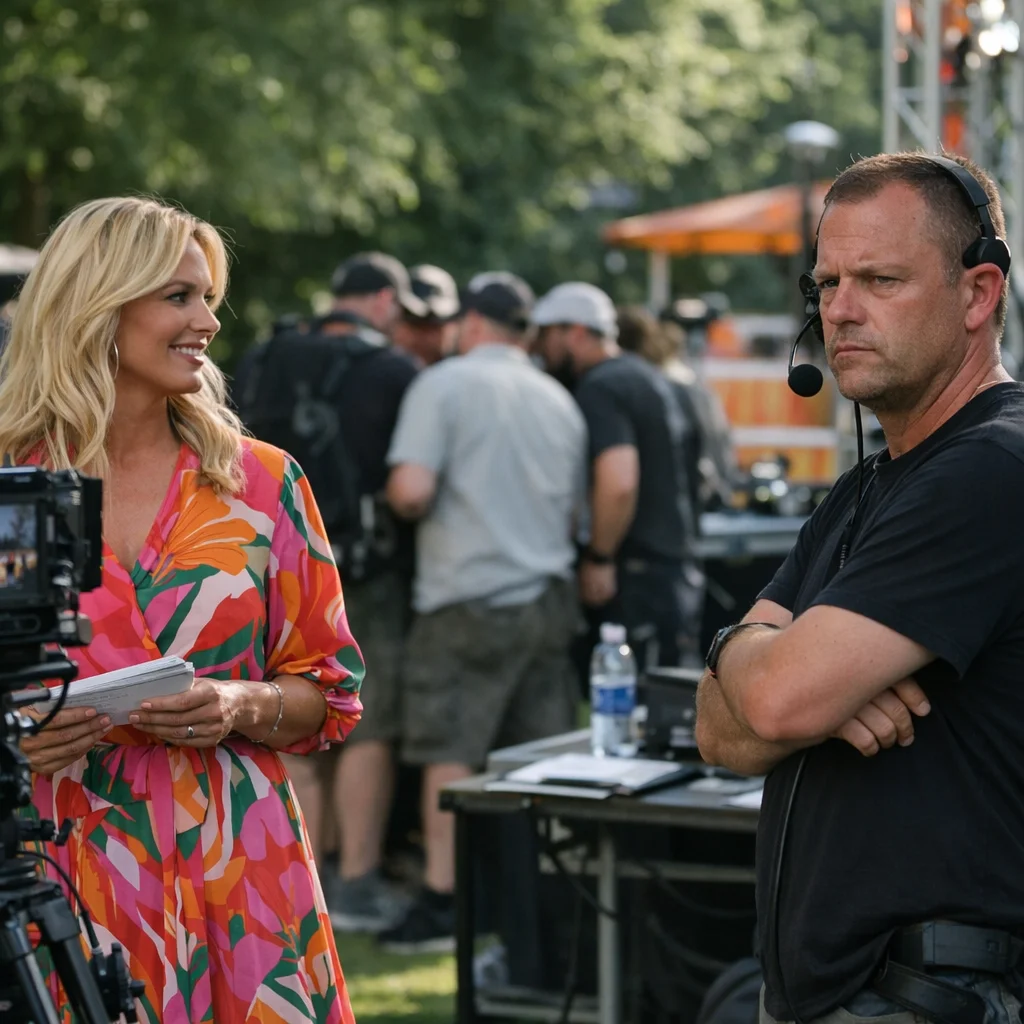
Andrea Kiewel returned to ZDF’s outdoor national-confidence machine this Sunday, where every minor embarrassment gets treated like a weather front: unavoidable, vaguely seasonal, and somehow never the broadcaster’s fault. One segment dragged, one guest overperformed like a lonely peacock, and one promotional bit hovered so close to institutional self-parody you could practically hear the compliance folder breathing.
ZDF’s real talent is not live television. It is managed shame. Somewhere between the cue cards, the floor manager’s throat-clearing, and the little emergency huddle by the monitor wall, the network performs a familiar ritual: discover the mess, freeze the face, and call it family entertainment. The show does not survive despite the awkwardness. It survives because the awkwardness is the lubricant.
And what a lubricated little bureaucracy it is. The broadcaster can detect scandal in anyone else’s live broadcast with the precision of a bloodhound and the warmth of a tax audit. In its own garden, though, it develops the moral eyesight of a man at the end of a long lunch who insists the room is “fine” while his tie is open, his judgment is gone, and the canapés are starting to look edible only in the way a cigarette butt looks edible.
A production like this does not just rely on sunshine and decibels. It runs on cue cards written by people who fear blame more than silence, on crisis meetings that happen before breakfast, and on the kind of PR language that can turn a small live-TV indecency into “a spirited moment of spontaneity.” That phrase is the broadcaster’s cologne: sprayed over every stain until the smell of panic resembles civic duty.
Kiewel understands the arrangement with the hard, polished calm of someone who has learned to smile while the set quietly undresses around her. She keeps the whole thing moving, not because it is innocent, but because innocence is what the public-service brand sells to viewers who want their Sunday hangover served with sunblock and moral warranty. They know it is fake. That is the point. Respectable rot is easier to swallow when it arrives with lawn furniture and a choir.
A ZDF spokeswoman said the network “takes editorial standards seriously,” which in broadcaster dialect means the standards are enforced most aggressively when the embarrassment belongs to someone else. When the mess is internal, the machinery suddenly becomes tender, even maternal: a little smoothing, a little reframing, a little public-service foreplay before the next segment bends over and pretends not to notice the room.
By Monday, the offending material was still online, still defended, and still being discussed with the flushed delicacy usually reserved for a family secret told after dessert and before anyone admits they enjoyed it. The show will be back next week, freshly powdered and spiritually unwashed, with the same grin, the same sunshine, and the same dead-eyed promise that nobody in charge saw a thing.