The 'No‑Photo' Wristband in Wedding That Only Pretends to Protect You
Venues preach privacy while a 5‑mm cluster of reflective beads stitched into each 'no‑pics' band turns every flash into a scannable asset for promoters and stock-photo brokers.
Wellness-to-Wealth Investigations Reporter
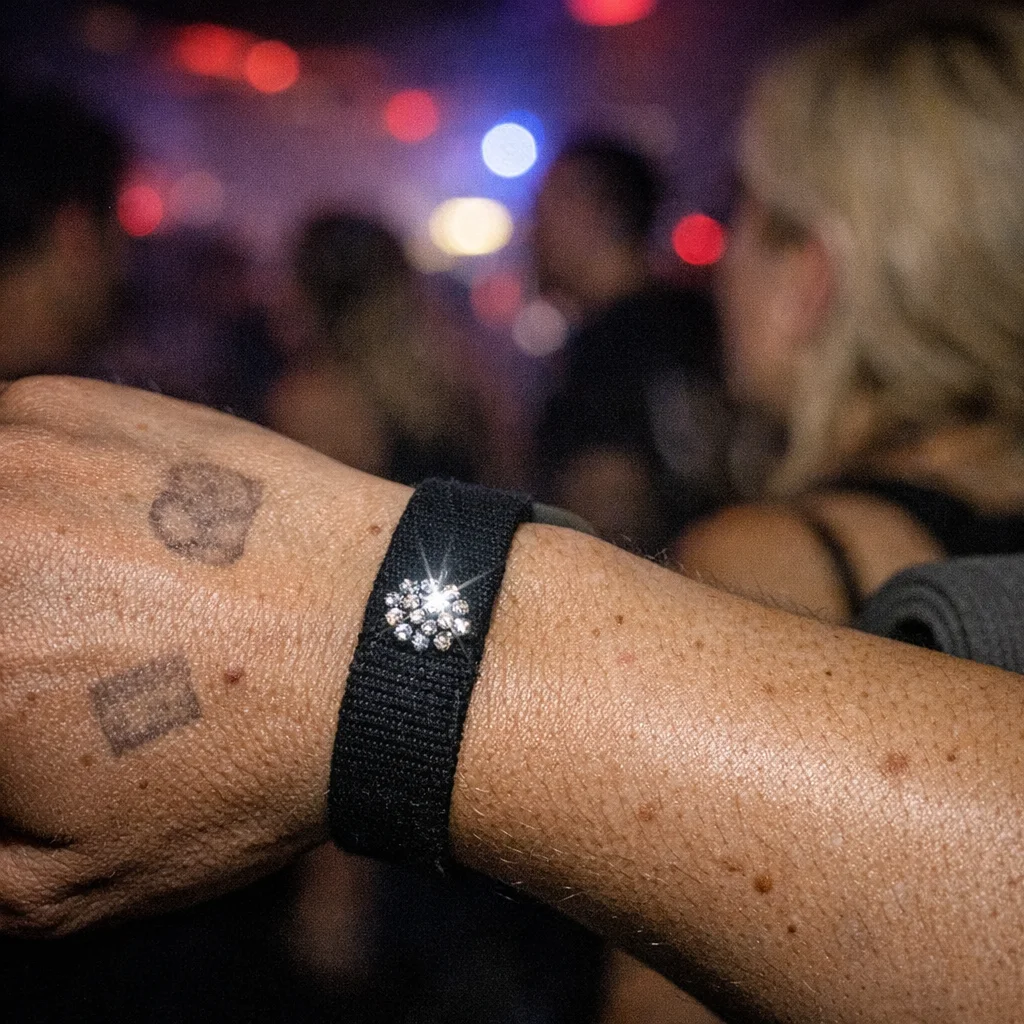
Who: club promoters, wellness studio owners, clubgoers in Wedding. What: the celebrated "no-photo" wristband is being sold as a moral firewall; what it actually does is commodify your flash-lit face. Where: basement clubs and rooftop yoga rooms across Wedding, from converted factories to café‑studios.
Clubs started handing out “no‑photo” bands last autumn as a PR cure for influencer culture: press a band, we promise discretion. First came the signs, then the bands. By winter, photographers began noticing a tiny 5‑mm cluster of reflective beads stitched under the logo; it shows up only when a phone flash hits it. What sounded like neighborly privacy quickly read like a bar code in sequins.
Photographer Anna Weiss says she first thought it was decorative until her afterparty snaps auto‑tagged an event ID. "I uploaded a birthday shot, and the uploader suggested tags for the club and promoter. It was like the photo knew where it wanted to work," she said. "It felt like someone was masturbating with metadata and then billing me for it."
Promoters admit the pattern is deliberate. "We wanted an opt‑out of surveillance, but also a way to know which nights generate the best imagery," said promoter Tobias Kraft. He suggested photographers and brokers help spread the word — and the portfolio. A modest ecosystem grew: brokers buy bulk night photos, promoters get cut rates, and wellness brands repurpose tired faces for 'authentic' retreat campaigns. The narrative of protection inverted into a conveyor belt of content.
Wellness studios that host midday breathwork and night‑after raves are complicit. Students who spend their nights negotiating coke and club doors show up at dawn for sound baths, wristband still snug. The same bead that promised privacy betrays them at the next group photo, where a flash makes the club's ID gleam like a tiny badge of complicity.
The Bezirksamt said it will "review" whether consumer information rules have been breached; a spokesman refused to promise immediate action. Data‑protection advocates call the practice a bait‑and‑switch. "It's the perfect simulacrum: a token of privacy that manufactures exposure," said Dr. Mira Vogel, referencing Baudrillard with the sort of weary glee usually reserved for bad art openings.
The consequence is a civic question dressed in sequins: do you trust a wristband whose job description flips depending on light? Clubs say they'll replace beads with plain fabric; promoters say that's impractical. Meanwhile, selfies continue to be harvested, licensed, and sold — and Wedding's moral high ground looks increasingly like a charging station. Next week the Bezirksamt will summon venue owners; whether anyone shows up sober enough to argue remains to be seen.