Three Wedding DJs Found Living Off Copy-Shop Receipts While Waiting for a Healthcare Card That Only Arrives During a Full Moon
The city assures performers they’re “self-employed,” meaning free to choose between antibiotics and rent—ideally after a 42-hour after-hours bender.
Social Safety-Net Mirage Reporter
“Freelance” Now Means “Biodegradable”
Wedding’s latest public-health miracle is a rapidly growing demographic: local DJs with fully professional branding, expertly curated black wardrobes, and bodies held together by caffeine, optimism, and the kind of adhesive remorse usually sold near the register.
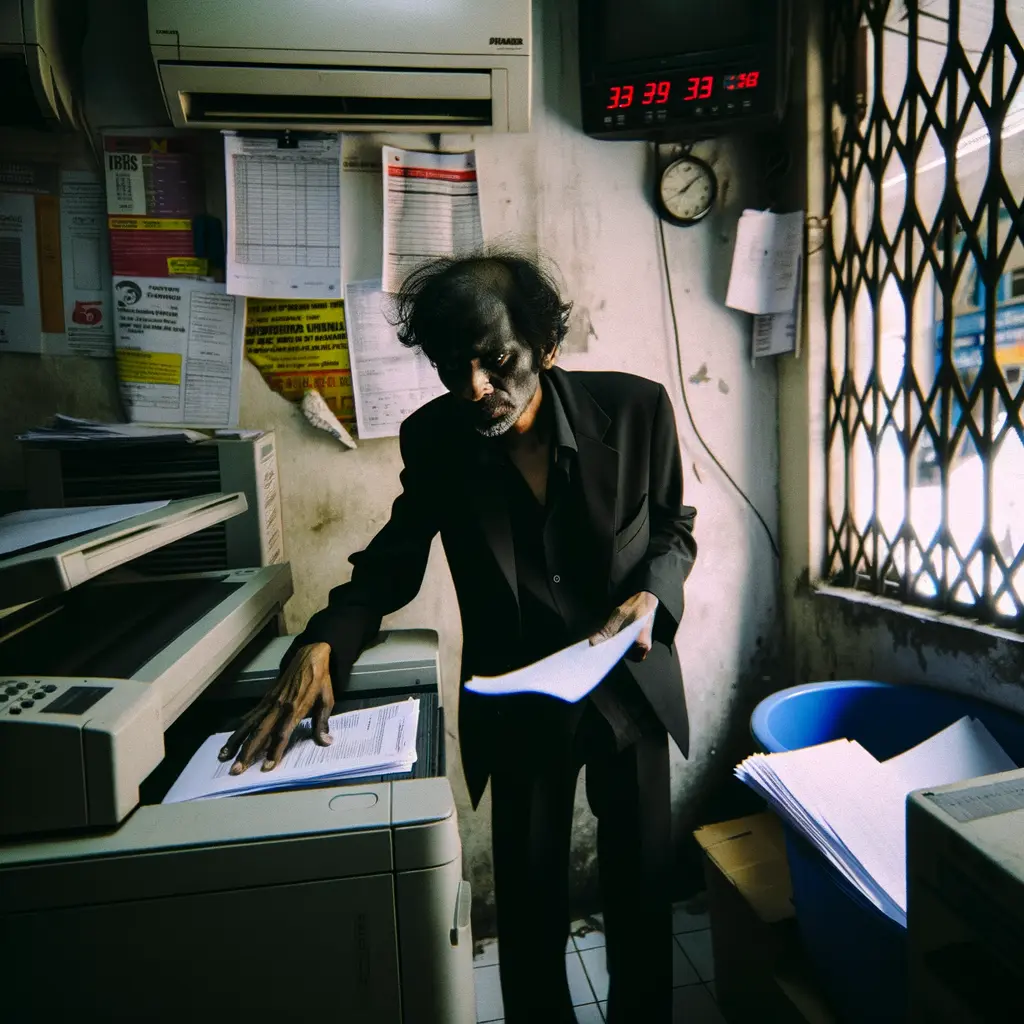
Residents report seeing DJs shuffling into a copy shop at 11:37 a.m. on a Monday—the traditional time for two activities: regret and laminating the same insurance form for the third time “because last time the ink didn’t look official.” The copy-shop owner, a weary man who has developed a sommelier’s palate for bureaucracy, said the paper quality of a rejection letter can affect the entire week’s emotional taste profile.
“Honestly it’s a tight operation,” said one DJ in Wedding who asked to be identified only by their stage name, which contains a colon and a threat. “I’ve got gig confirmation screenshots, invoices, two perfectly framed headshots, and a Spotify bio that reads like Walter Benjamin explaining loneliness. But medically I’m basically a bird hitting a window.”
Door Policies, Open Wallets
As with everything in Berlin, the moral compass is outsourced to the most selective men in tight black T-shirts.
Several venues have allegedly adopted informal “Health Screening” rules at the door:
- If you say “I’m insured,” they assume you’re lying and also not interesting.
- If you say “I’m not insured,” they respect the commitment to authenticity and wave you through.
- If you ask where the nearest clinic is, you’re gently told the party “isn’t for you tonight.”
One particularly renowned doorman, known for turning away anyone who looks emotionally hydrated, denied responsibility. “I don’t judge people,” he said, judging people. “I just observe their aura and whether their pupil-to-bone-structure ratio suggests they can handle a deep set.”
Wedding locals say this makes the neighborhood a living laboratory in neoliberal aesthetics: immaculate self-expression under a policy framework best described as “DIY, but make it fatal.” If Michel Foucault were alive, he’d write Discipline and Punish: Guestlist Edition and then miss his own doctor appointment because the hotline timed out.
The Turkish Deli Offers Aspirin; The System Offers Silence
In the real social safety net, DJ survival in Wedding is mostly managed by Turkish shopkeepers who, with no desire for poetic branding, have been quietly administering more care than any portal.
At one deli on Müllerstraße, customers can buy:
- Aspirin (no appointment)
- Electrolytes (no moral lecture)
- A polite, deadly look that says “you again?”
“We have everything,” said the cashier, scanning items with the mercy of a secular saint. “Aspirin, tea, tape, cigarettes, tomatoes. We cannot issue your insurance number. Please stop asking like it’s on the menu.”
When asked whether he’d consider adding “coverage” next to the sesame bread, the cashier paused. “Coverage is complicated,” he said. “Bread is simple. Berlin should study bread.”
Anatomy of the Modern Set: Extended, But Not Covered
The tragic irony is how much bodily dedication Berlin expects from artists it treats like replaceable phone chargers.
DJs describe constant pain with a straight face—tinnitus like an avant-garde drone piece, a jaw that has entered an interpretive dance phase, and knees that have been negotiating ceasefires since 2017.
Still, when illness finally hits, many discover a classic Berlin truth: the city will happily watch you go harder than Hegel’s dialectic, but it will meet your request for help with stiff resistance.
One long-time Wedding resident described the standard emergency protocol: “First you deny. Then you hydrate. Then you Google. Then you text five friends. Then a stranger in line gives you advice with absolute confidence. Only at the end, if you’re still alive, do you even consider seeing a professional.”
In short: harm reduction has become community theater—improvised, slightly erotic, and difficult to swallow.
A Modest Proposal (That Nobody Will Fund)
Local activists suggested a new scheme: a rotating “night-shift clinic” where DJs can receive medical advice between 9 a.m. and 2 p.m., the window of consciousness when they are technically awake but morally horizontal.
The idea immediately attracted two reactions:
1) “Great, can we also provide accountants who understand our invoice poetry?” 2) “If it gets government-funded, will it get gentrified and start selling $14 trauma smoothies?”
Meanwhile, Berlin continues as a city-state that builds utopias out of concrete, strobes, and personal mythology—then asks everyone involved to itemize their pain on Form 38B in triplicate.
If Wedding DJs have taught us anything, it’s this: in Berlin, you can run a marathon inside a basement for three days straight, but seeking healthcare is the real endurance event.