Tick 'Safer Scene' and Welcome to the CRM: The Checkbox Selling Wedding’s Techno Crowd
A pre‑checked line on the district's event declaration quietly reroutes DIY guest lists into a private nightlife loyalty network that bankrolls the permits it pretends to safeguard.
Nightlife Contradictions Reporter
Wedding — A single pre‑checked box on the borough's mandatory event declaration has quietly reshaped how the neighbourhood's most sanctimonious techno nights run their doors — and what they swear they're trying to resist.
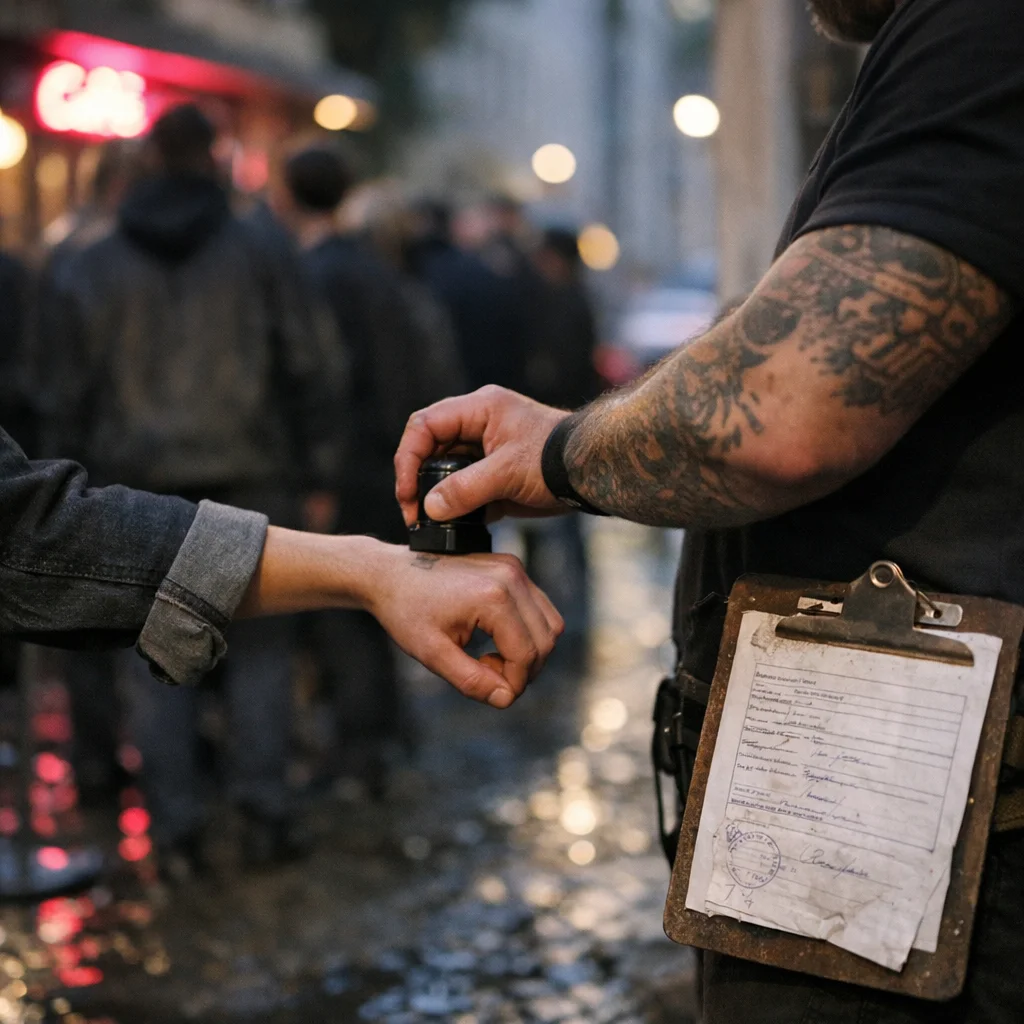
Organisers of at least a dozen DIY parties in Wedding told The Wedding Times that when they click the district’s "Safer Scene" consent during permit filing, the software automatically shares names, ink‑stamp patterns, wristband serials and door times with a privately operated CRM used by promoters, venue groups and a handful of third‑party bookers.
"We didn't read it — who reads anything?" said Ahmet Demir, longtime door steward at a repurposed bike shop that hosts late‑night sets. "But we all tick it because the permits slide through faster. It's just bureaucracy." Demir shrugged. "Meanwhile my stamps end up as VIP data points."
What looks like administrative hygiene — a checkbox designed to prove organisers are taking safety seriously — is behaving like a pipeline. Event files exported from the district system are matched with drink tabs, online RSVPs and the stamped impressions of the door. The CRM sells that stitched profile back to the market: curated guest lists, targeted invites to tastemaker boat parties, and anonymised "purist segments" that can be pitched to venues wanting a hard‑line crowd without the inconvenience of actually doing door work.
The irony is delicious and predictable. Techno purists who spend entire pub talks denouncing melody as "sell‑out" keep lining up to be packaged and peddled by the exact same commerce they dismiss. Their purity becomes a marketing vertical; their refusal to dance to chords is now monetised into exclusivity packages.
DJ Leyla Arslan, who moved to Wedding before it was profitable, calls it "performative asceticism." "They'll yell about melody on Facebook, then pay fifty euros for a curated guestlist that guarantees the right kind of grim face in the coat check photos," she said. "Adorno would have written a pretty nasty review and asked for his record back."
A district events office spokesperson, Martina Weiss, acknowledged the exports and said the office is "reviewing consent wording to ensure data is used for safety purposes only." She declined to say whether any contract forbids resale.
Meanwhile a small coalition of DJs and residents filed an official complaint this week demanding the pre‑checked consent be removed and exports be audited. Organisers warned that removing the box may reintroduce "stiff resistance" from permitting staff; activists noted the present setup is a backdoor commercialisation of DIY culture.
Either way, the crowd that loudly refuses melody has already been seduced by something subtler: a checkbox that gets them exactly what they pretend to hate—and invoices the neighbourhood for it.