“Twingo” Walked So Wedding’s New Cars Could Be Named Like Startups
After learning how automakers invent names, local dealerships unveil a fleet designed for people who fear nouns but love payments.
Gentrification Product-Language Correspondent
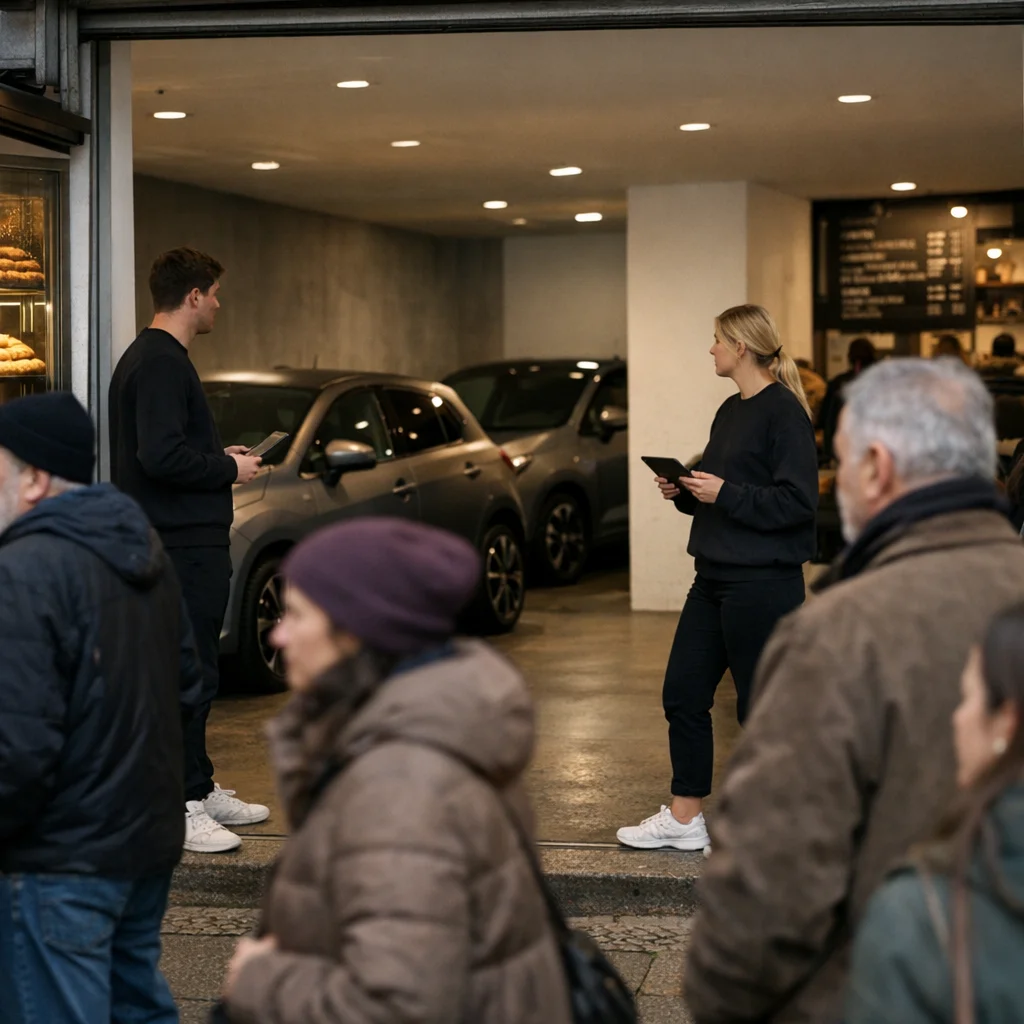
WEDDING — After a Berlin newspaper calmly explained why the Renault Twingo is called “Twingo” (a word that sounds like a cartoon sneeze but still managed to sell cars), Wedding’s newest dealerships have taken the lesson to its logical endpoint: cars should no longer have names. They should have brands.
Because in 2026, nothing can simply be a small car. It has to be a “micro-urban solution with a playful mouthfeel.” And the name can’t suggest reliability. Reliability doesn’t scale.
At a pop-up showroom wedged between a longtime Turkish bakery and a café that sells “filter coffee flights,” product managers in clean sneakers unveiled the neighborhood’s latest models:
- The NÜDEWAGON: A matte-gray hatchback marketed as “post-ownership intimacy.” You don’t buy it; you “enter a long-term mobility relationship,” which is a fancy way of saying the monthly rate will penetrate your budget.
- The KIEZ•ONE: An electric compact designed for people who say they “don’t do cars” while doing cars very hard. Comes with an app that tracks your carbon guilt in real time.
- The SIMIT SPORT: A limited edition aimed at second-generation Wedding locals who would like one luxury item without getting a TED Talk. It’s basically a normal car with better seats and fewer lectures.
A representative from naming consultancy Verba™ explained the strategy using a whiteboard and the dead eyes of late capitalism: “German words sound strict. English sounds global. Made-up syllables sound investable. We’re aiming for something between Barthes’ ‘mythologies’ and a vape flavor.”
Longtime residents are reportedly unimpressed. “My uncle drove a Golf,” said Mehmet Y., who asked not to be fully named because he still has dignity. “It was called a Golf. You drove it. End of story. Now my landlord drives a ‘URBAN SPARK’ and pays extra to ‘pull out of traffic friction.’ Just say you’re stuck behind a delivery van.”
Meanwhile, the newcomers insist the names reflect “community.” They say this while refusing to learn the name of the guy who’s been fixing their building’s front door since the Bush administration.
In the end, Wedding’s car-naming renaissance isn’t about language. It’s about the same thing everything here is about: turning ordinary life into a pitch deck. If Kafka were alive, he wouldn’t write about a man turning into a bug. He’d write about a man turning into a Mobility Experience Associate—and still not finding parking.