Two Cities, One Bed: Liefers' Dresden Temptation
After another Hope Gala in Dresden, Jan-Josef Liefers and Anna Loos are weighing whether Berlin has become too demanding and Dresden too willing to flatter their nostalgia.
Gentrification & Small-Time Power Correspondent
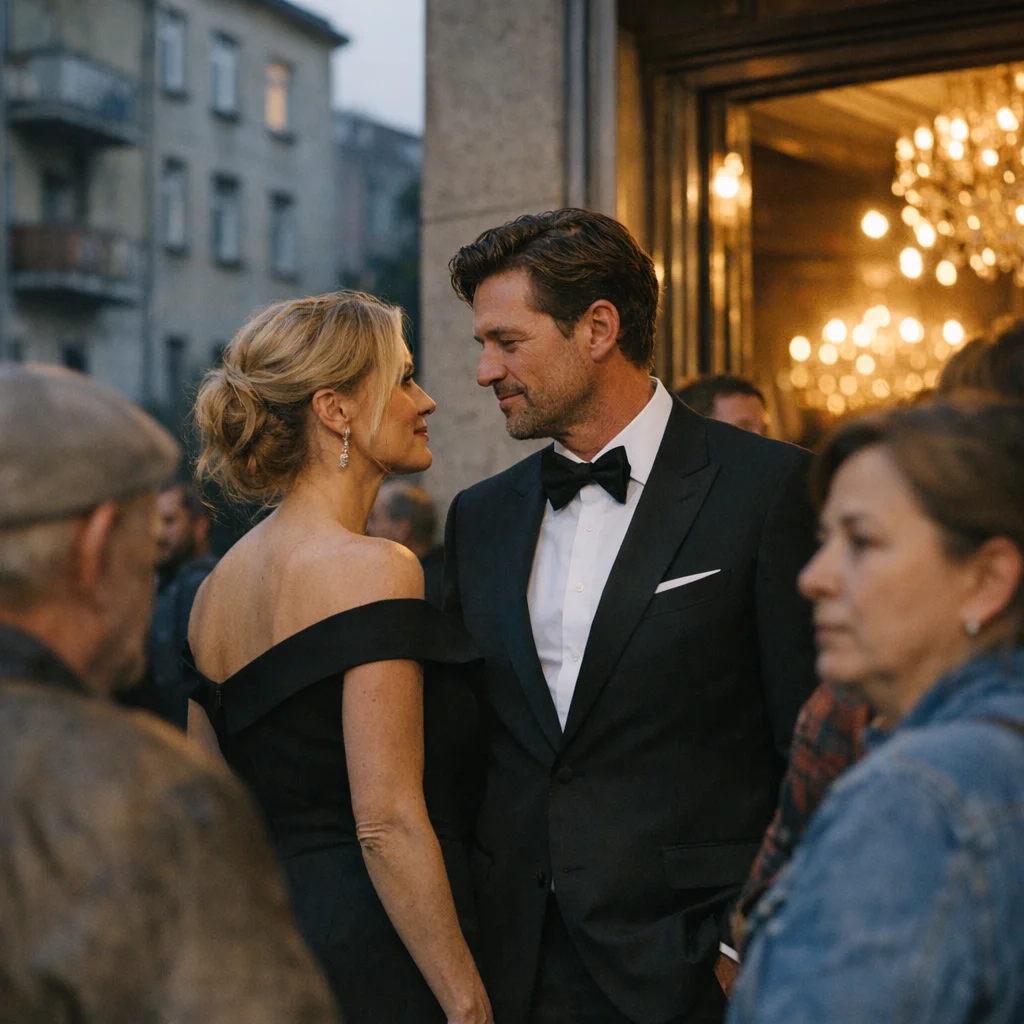
Jan-Josef Liefers returned to Dresden for the 18th Hope Gala and immediately resumed the oldest civic courtship ritual in Germany: a famous man stepping back onto a stage to see whether the city still opens its legs for him, or at least its donor envelopes. Berlin had barely finished paying for its own self-regard when the question started again: would he and Anna Loos really leave, or were they only making the capital watch them flirt with another room?
In Wedding, where people learn early that attention is a currency and silence usually means the landlord is winning, the story read like a familiar humiliation dressed in cultural velvet. A man gets tired of the city that has stopped begging, then wanders toward the one that still knows how to flatter him. That is not migration. That is an audition for renewed appetite.
At a café near Leopoldplatz, where the prices have risen into that smug, punitive zone that only proves the city hates everyone equally, a regular named Murat Yilmaz said the whole thing sounded less like homesickness than a middle-aged demand to be wanted on command. “Berlin won’t lean over and whisper thank you anymore,” he said. “Dresden still remembers how to make a man feel like his collar is being adjusted by hand.” He laughed, then looked at the receipt like it had insulted his mother.
That is the arrangement on offer. Dresden is being cast as the flattering side piece: quieter, more obedient, willing to hand out civic admiration without first checking your tax record, your politics, or whether your nostalgia is doing cocaine in the bathroom. Berlin, by contrast, is the exhausted spouse that has seen every entrance, every pose, every philanthropic grin, and no longer feels obliged to pretend the performance is fresh. It knows the trick. It has seen the zipper.
The Hope Gala makes this uglier, because it lets vanity wear a volunteer badge. The whole circuit is built to cleanse status in public: a chandelier here, a speech about compassion there, a few well-rehearsed tears, and suddenly the evening’s real business—being adored by the correct room—looks like civic virtue. Cultural Germany is always happiest when it can call its hunger community work. The donors get seduced, the press gets fed, and the guests leave convinced they have contributed to society when they have mostly financed their own reflection.
A district spokesperson in Wedding said no formal move request had reached any office, which is how public life works now: the emotional betrayal is announced long before the paperwork, and the paperwork arrives only after the fantasy has been thoroughly undressed. If Liefers and Loos are testing the market, they are not asking where to live so much as where they can still be looked at with a straight face. Berlin, with its rents and its permanent contempt, no longer offers that service for free.
Loos has already sounded less interested in the capital’s endless demand that everyone remain available, visible, and grateful. Liefers’ trip to Dresden for the gala sharpened the impression that the couple is checking whether another city will let them feel younger, hotter, and less audited. It is a very German fantasy with a very familiar power dynamic: the city that has grown needier wants the one that is already tired to come over and perform tenderness one more time.
The neighborhood response was less sentimental than municipal. In Wedding, where one bakery can outlive three art collectives and a dozen moral panics, the prevailing view was that Berlin never truly keeps anyone; it just rents them until a cheaper mood appears. If Liefers leaves, the vacancy will be filled by a wellness studio, a concept bar, or a man who says “curated” with the confidence of someone who has never carried a refrigerator up four floors.
So the question is not whether Dresden is more beautiful or Berlin more demanding. The question is who gets to do the asking, and who is expected to spread the curtains and smile. Right now Dresden is playing the softer room with the better lighting, and Berlin is standing by the door with the bill, watching whether its old favorite comes back for another warm lap and a cleaner lie.