Two Swipes to a Dealer: Wedding App Ranks Supply by Techno Taste and Credit Score
Users report “algorithmic chemistry” and unexpectedly formal etiquette as the platform assigns street-level connections like a dating service with better risk management.
By Lina Paypass
Night Economy & Digital Vice Reporter
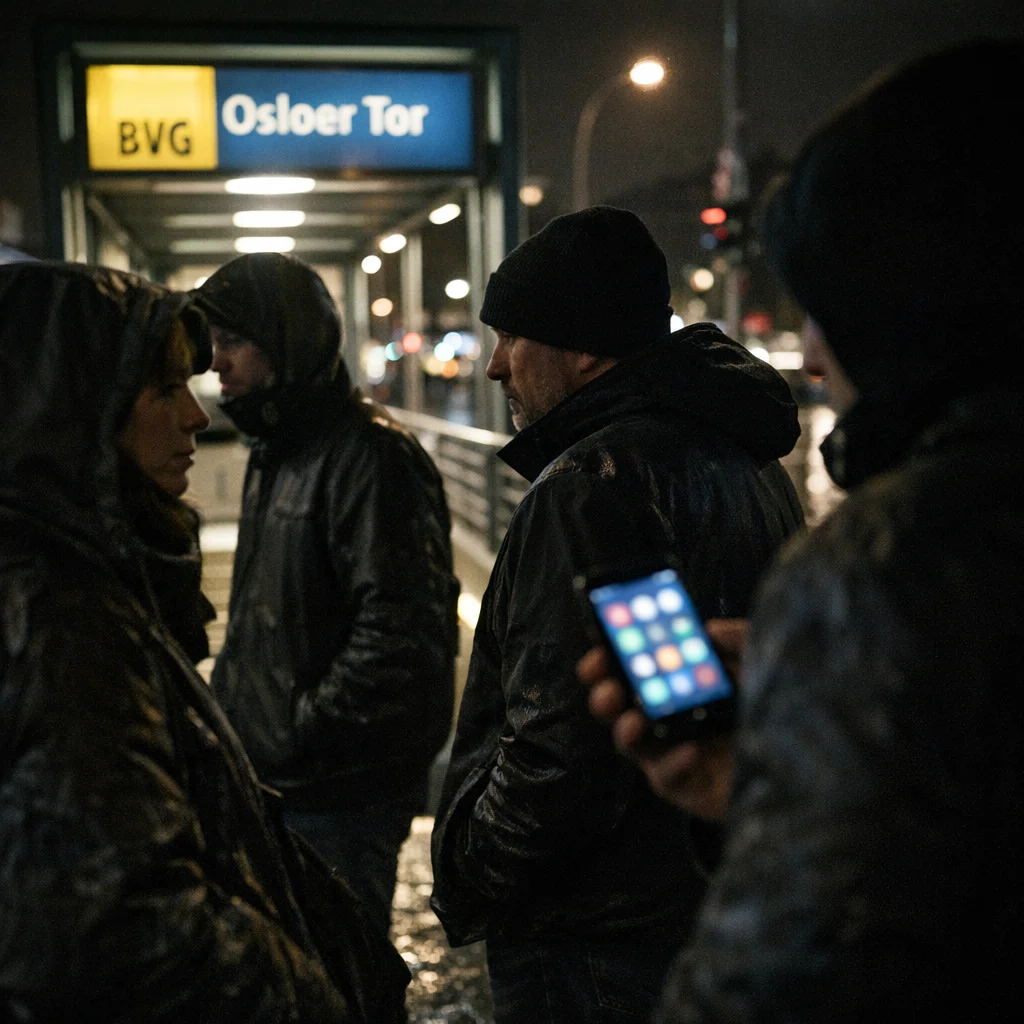
WEDDING — On Thursday evening, sometime after dark, residents lingering near the U-Bahn entrance at Osloer Tor reported seeing a small crowd quietly comparing phone screens the way Berliners compare trauma: competitively, and in English.
The object of attention was an app called Chord, which describes itself as “a compatibility layer for the night economy.” In practice, it matches users with drug dealers based on music taste, credit score, and what the app calls “repayment vibes,” a phrase that sounds silly until you realize it’s just rent logic wearing a leather jacket.
“I got matched with someone who only sells to people with above-average on-time payment history,” said Tessa Rowland, 27, a copy editor who lives near Triftstraße. “It felt weirdly respectful. Like, he had standards. He sent me a playlist first. Then a location. It was the most foreplay I’ve had in months.”
Chord’s onboarding process asks users to link Spotify or Apple Music, authorize access to banking insights “for fraud prevention,” and answer five questions including whether they prefer “minimal percussion” and if they can “handle a long session without getting needy.” Several users said the app’s dealer profiles include “preferred genres,” typical response times, and a reliability rating that, according to one screenshot, is “higher than my last landlord.”
A Turkish shopkeeper on Prinzenallee, Mehmet Kaya, 52, said he’s already seen customers step outside, stare into their phones, and then return to buy gum with the calm focus of people about to make a financial decision they’ll deny later. “In my day, you talked to people,” he said. “Now they want a curated experience. Everyone wants artisanal trouble.”
Chord’s founder, Lennart Vogel, 34, met this reporter outside a late-night bakery near Uferstraße and insisted the app is “harm reduction through better matching.” “If your credit score says you’re impulsive, we route you away from dealers who thrive on that,” he said, taking what he called “a deep listen” to the street. “It’s basically Adorno, but with push notifications.”
Not everyone is impressed. A spokesperson for Berlin police in Mitte, Carina Wendt, said authorities are “monitoring the platform’s backdoor logistics.” “We have concerns about organized distribution,” Wendt said. “Also, it’s embarrassing how quickly Berlin will optimize anything except a broken elevator.”
By Friday morning, Chord had reportedly logged 8,400 users citywide, with Wedding showing the highest concentration of “high-trust, low-shame” profiles. One user, Bora Demir, 31, a freelance sound engineer, summarized the appeal: “At least this way, my bad decisions have a firm structure. The app doesn’t judge me. It just sorts me.”
In a city that treats anonymity as a religion and surveillance as a subscription, Chord’s success may be the most honest thing happening after-hours: a market that finally admits it’s been doing customer segmentation all along—just with more eye contact.