Wedding Holds Mini 'Territory Talks' After Kyiv Negotiation Drama — Locals Try to Broker a Ceasefire Over One Bike Rack
An ex‑UN translator, a landlord with a spreadsheet, and the president of the pigeon club convene to map out buffer zones, withdrawal timetables and reparations paid in kombucha.
Geopolitics & Hangover Correspondent
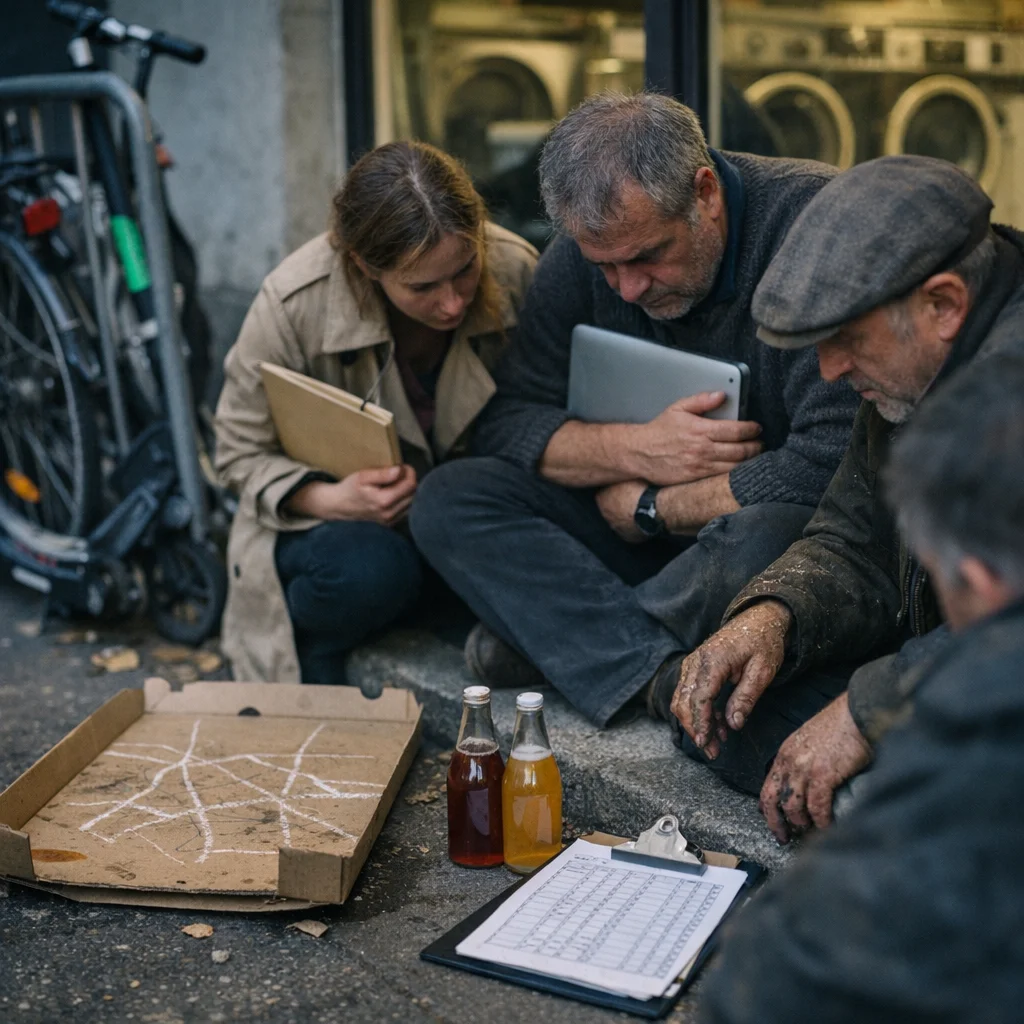
Inspired by the Behind the Scenes Search for Compromise on Territory in Ukraine Talks, a weekend summit in Wedding tried—with less artillery and more sourdough—to broker a ceasefire over a single bike rack.
On Saturday morning, an ex‑UN translator, a landlord with a spreadsheet and the president of the local pigeon club met on the narrow curb outside a coin‑operated laundromat on Seestraße to fashion a protocol for ownership, withdrawal timetables and reparations payable in kombucha. The meeting began with tea, a pizza‑box map and an opening statement that sounded suspiciously like diplomacy and even more like a planning committee for a badly run co‑op.
"We modelled it on what we read about back channels—less tanks, more text messages," said Leyla Arslan, the former UN translator who organized the session. "If Kyiv can negotiate corridors, we can negotiate scooter corridors. It's about buffer zones, not bravado."
The pizza box held the map: the bike rack marked as a sliver of contested territory, two buffer zones in chalk, and a proposed neutral zone filled with potted plants. Jörg Feldman, a landlord who kept his life in Google Sheets, presented a withdrawal timetable in Excel where every hour freed from the curb translated into an extra euro on his next rent invoice. "We need enforceable metrics," Feldman said, tapping a cell. "Otherwise it's just feelings—and feelings don't cover property tax."
Hassan Kaya, president of the Wedding Pigeon Club, insisted on an explicit pigeons' access clause and proposed reparations in the form of stale simit and a monthly vat of house‑made kombucha. "Pigeons patrol the rack at dawn," Kaya explained. "They are witnesses. We demand recognition." His translation into mute, fluttering urgency convinced one attendee more than any clause.
The Bezirksamt Mitte issued a perfunctory statement: "We are aware of a private dispute and encourage mediation through appropriate channels." A police spokesperson added the matter was "non‑criminal" and that officers had better things to do than adjudicate territoriality over municipal metalwork.
Negotiators agreed on an oddly bureaucratic peace: e‑scooter time‑share sovereignty (mornings for residents, afternoons for app fleets), rotating potted plants every Tuesday to ensure 'neutrality,' and a clause that any violation would trigger a mediated knitting session in the laundromat. As Leyla put it, "We are penetrating the bureaucracy gently."
The patchwork accord reads like Clausewitz rewritten by a community garden: politics as parking regulation. Consequence: the group will submit a petition to the district office next week and reconvene if Feldman attempts to bolt the rack down—an act he hinted at with the bland smile of someone about to seal a bad deal. Whether this tiny diplomacy prevents another front in Wedding depends on one thing: whether kombucha counts as legitimate reparations when landlords lack taste and pigeons demand ceremony.