Wedding’s Afterhours ‘Spiritual Care’ Is Just the Party’s Wurst Phone Line to Nobody
The techno-and-drugs version of compassion in Berlin now comes with a hotline, a volunteer badge, and the same old instinct to disappear when things get ugly.
Nightlife Identity & Self-Deception Correspondent
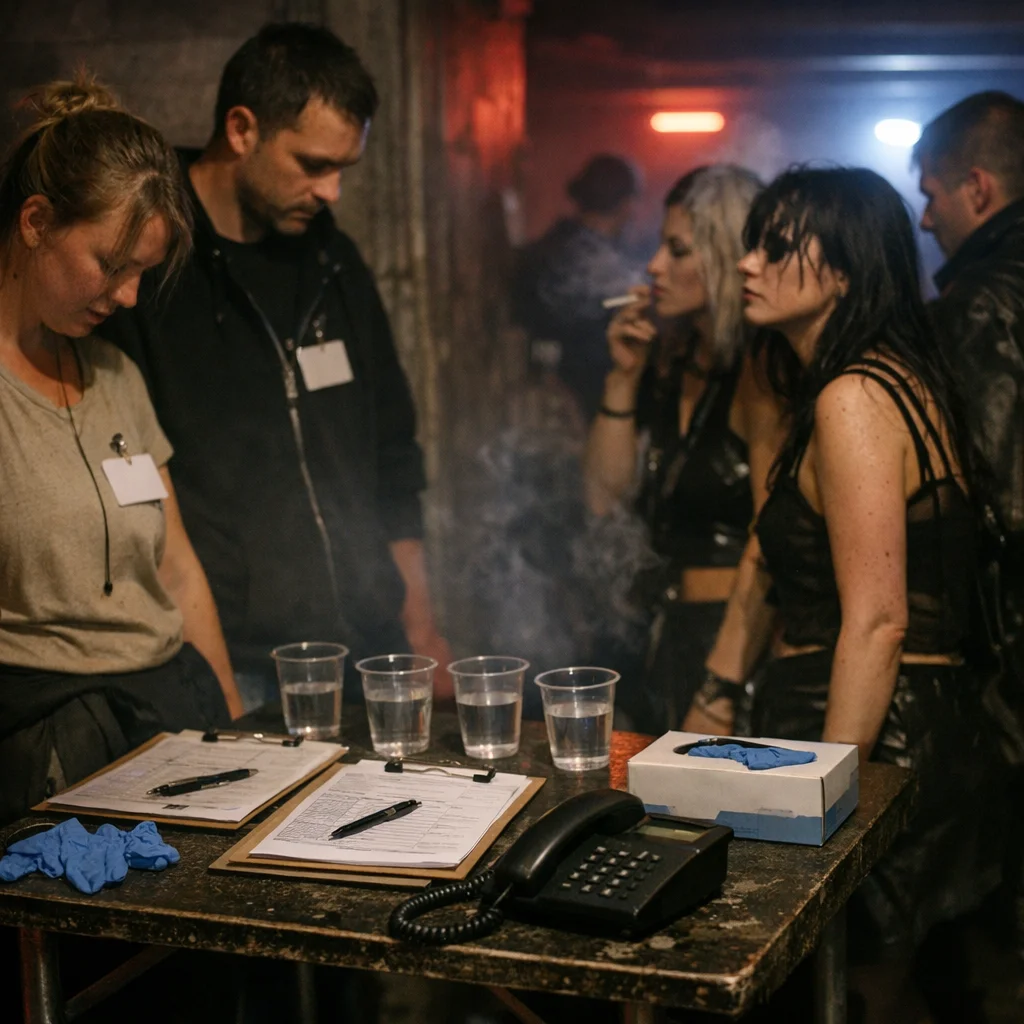
At a packed after-hours meeting in Wedding this week, the usual borough chorus assembled itself: club operators from Müllerstraße, a couple of NGO-adjacent “care” consultants with serious shoes and dead eyes, a sponsor with a sustainability badge, and the kind of district functionary who says “community” like he’s tasting something expensive and slightly rotten. They were there to launch Berlin’s newest miracle of civic moisturiser: a hotline for the night economy.
The pitch was that when the floor gets feral and everybody’s pupils are negotiating with history, somebody should answer the phone. Fine. Sensible. Human, even. But in Wedding, where every second initiative arrives smelling faintly of grant money and self-forgiveness, the hotline sounded less like help than reputational laundering with a laminated smile. The venues keep selling the speed, the heat, the cheap deodorant-and-chemistry fog, and then a volunteer in a lanyard gets to sound tender while the brand keeps its hands clean.
One organiser described the line as “a bridge between the dancefloor and the morning after.” That’s cute. Bridges are for crossing, not for making sure the corpse doesn’t stain the brochure. The people staffing the line are trained to speak in that soft dead-eyed consent language Berlin mistakes for ethics: calm voice, warm tone, no judgment, no liability, no memory. It is compassion performed by people who would faint if asked to touch actual need without a funding agreement.
“Everybody wants to be seen as caring; nobody wants to be there when somebody is vomiting in the stairwell,” said Derya Aydin, who runs a late-shift bar off Müllerstraße and has watched the whole scene become a seminar in moral cosplay. “They show up with tote bags and moral vocabulary, like they’re not just laundering their own hangover into a social project.” She laughed, then shrugged. “Half of them look like they’ve never held a sweating stranger upright in their life.”
That was the room’s real kink: compassion without contact. The wellness crowd loves to speak in the idiom of care because it lets them avoid the filthy part of care, which is bodies. Actual bodies. Pale, sticky, overclocked bodies. The kind that lean too hard, stare too long, and ask for water with the desperate intimacy of someone trying not to fall through the floor. “Spiritual support” is what you call it when you want the suffering nearby but not your sleeves on it.
The borough, naturally, applauds. A district spokesperson praised “community-based safety innovation,” which is the administrative equivalent of patting itself on the back while someone else bleeds politely out of frame. The sponsor liked the “holistic approach.” The club owners liked that the hotline shifts attention away from the fact that their business model depends on chemically assisted endurance and a staff culture held together by espresso, coke-breath, and the fantasy that burnout is a personality.
And that is the real function here. The hotline does not interrupt the economy of Wedding nightlife. It cushions it. It gives promoters, funders, and borough adults a way to say they addressed harm without ever going near the machinery that produces it. The night gets its halo; the people underneath it get a brochure and a number to call after they’ve been dumped outside, blinking into the cold, too disoriented to remember who was supposed to be responsible.
By midnight, the same people who had spent the afternoon talking about accountability were already back to the old choreography: smiling at the photo-op, disappearing at the ambulance phase. That’s the Wedding trick. Sell disorder, sell its cure, and make sure the cure arrives after the mess has been moved out of sight. Someone always gets left on the curb so the venue can keep its conscience on the wall.