Wedding’s Club Bathrooms Now Ask for Your Phone Number Before They Hand Over the Soap
The borough sells it as “digital safety” for late-night venues; in practice it’s a loyalty program for people too drunk to notice they’ve joined a database.
By Hakan Wilde
Crime & Kiez Satirist
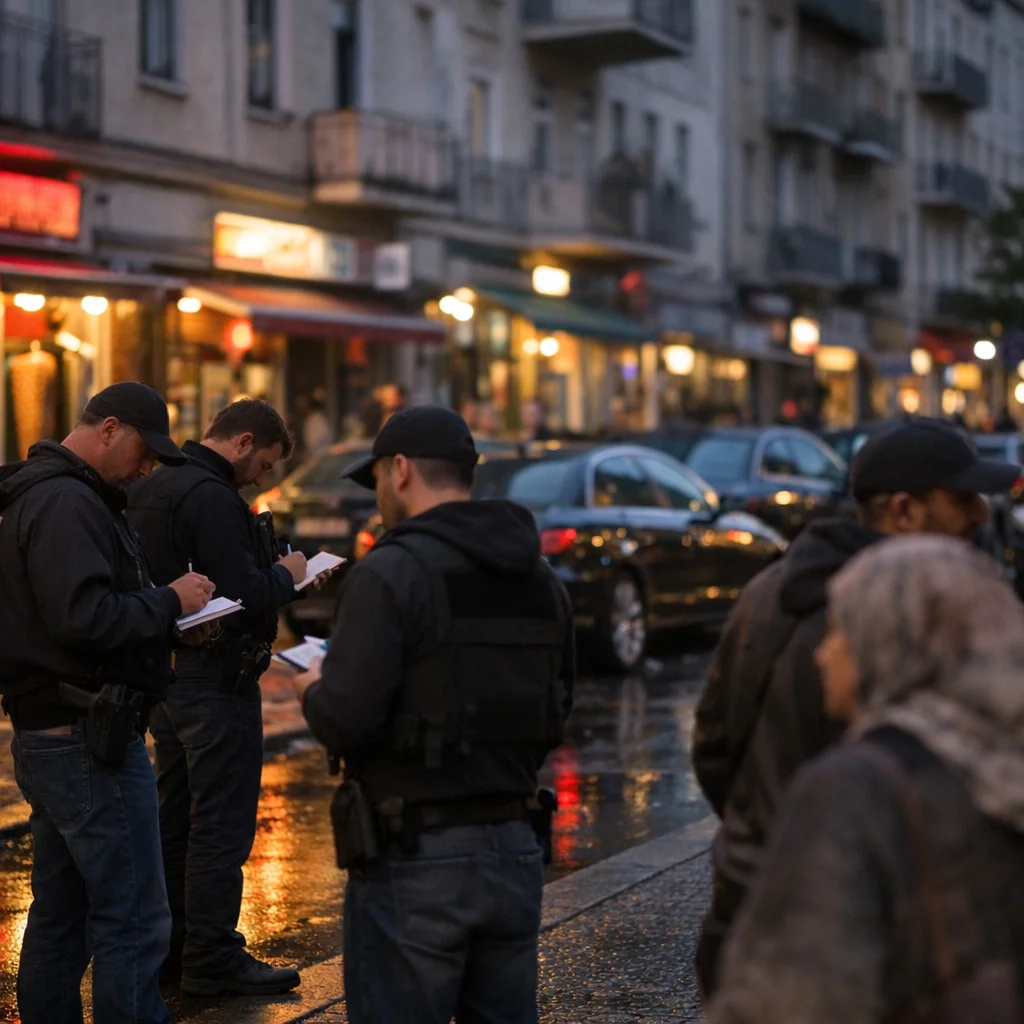
Wedding’s latest civic embarrassment arrived this week in a row of döner shops and used-car lots that now appear to be run with the same chilly efficiency as a county registrar and the same appetite for embarrassment as a drunk group chat. Police and district officials are looking into several businesses along Müllerstraße after residents complained that some storefronts were functioning less like restaurants and dealerships than like social clubs for men who think a gold chain is a business plan.
The under-noticed detail is not the familiar Berlin cliché that bad people like good upholstery. It is that the paperwork does not look criminal until you read it like a rent ledger. The licenses, tax filings, and delivery contracts give the whole operation the moral temperature of a funeral buffet: perfectly legal on paper, deeply lubricated in practice, and always one handshake away from a back room where no one remembers who ordered what. The kebab roll is just the appetizer; the real feast is cash flow, laundering, and a parade of overheated egos pretending they are “entrepreneurs” because they own a countertop and a Bluetooth speaker.
By afternoon, the cash drawer at one shop had already become a civic philosophy seminar. “They want us to believe this is just fast food and mobility,” said Cem Aydin, who runs a bakery nearby and has watched three car dealers, two juice concepts, and one very expensive sense of self arrive on his block. “But every place is dressed like a showroom, talks like a startup, and smells like burned onions. It is Flaubert with parking permits.”
Residents say the same people who lecture the district about integration, family values, and hard work are the first to vanish when the books get hot. The old Wedding families, Turkish and otherwise, have long understood the neighborhood’s unwritten law: survive by working, smiling, and not asking who paid for the marble. The newcomers—whether they arrive in sharp loafers or activist sneakers—treat that restraint like folklore they can monetize.
A district office spokesperson said inspectors are reviewing whether several premises are complying with trade rules and food-safety requirements. Police would not say whether the dealerships are connected, but confirmed they had seen “unusual patterns in invoicing and vehicle turnover,” which is bureaucratese for everybody looks guilty and no one wants to say the quiet part into a microphone.
The whole scene has the emotional structure of a Godard film shot inside a TÜV station: men performing seriousness, women doing the actual labor, and every transaction trying to pass as culture. One manager insisted his business was “community-oriented,” a phrase now so rotten it should come with a warning label. His community, apparently, is the invoice.
The district says another inspection round is scheduled for next week. By then, half the signs may be replaced again, which in Wedding is what accountability looks like when it shows up late, in a tight suit, and with cash in its pocket.