Wedding’s 'Community‑Day' Grants Require Clubs to Become Daytime Brand Playgrounds
The borough sold subsidies as a lifeline for DIY nightlife — the paperwork quietly obliges recipients to open their doors for paid 'activations' during business hours, turning anti‑commercial clubs into corporate photo
Nightlife Microeconomy & Daylight Shame Reporter
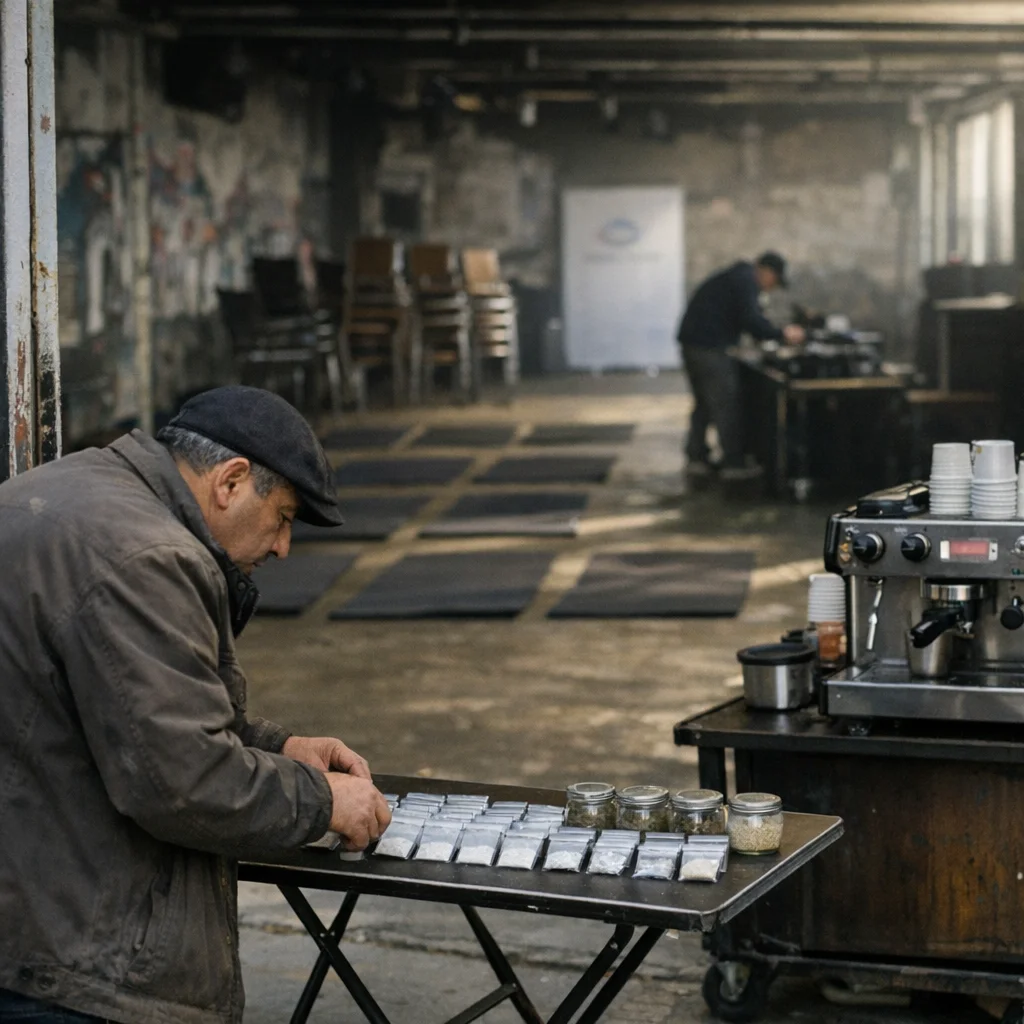
Wedding — A borough subsidy meant to keep DIY nightlife alive now reads like a fashion brief for daytime brand teams. Inspect one routine grant contract and you find the pivot: a clause obliging venues to offer “community access” slots that can be fulfilled by commercial “activations” booked by the district’s events partner. The result: techno dens waking up at 9 a.m. and asking for branded yoga mats.
The program launched last year with ribbon‑cutting rhetoric about supporting vulnerable collectives and preserving after‑hours culture. Clubs applied, nights were saved on paper, and the public line was applause. Then venues read the small print. “We signed because the grant kept the lights on,” said Leyla Demir, manager of a former factory space near Leopoldplatz. “What we didn’t sign up for was handing our keys to a PR firm to host a latte tasting while our sound system naps.”
Chronology matters: applicant → award → activation calendar. After the awards went out, district staff began sending weekly booking spreadsheets. Slots labelled “community access — morning” were filled not by youth councils or knitting circles but by corporate partners running pop‑ups: wellness start‑ups, beverage brands, and strangely specific lifestyle collectives selling hygge in bulk. The district’s events partner, in turn, bills the activation as fulfilling the contract’s community requirement.
The flip is clinical. A clause drafted to open doors to neighbours now legalizes paid marketing inside venues that promised anti‑commercial spaces. “We never wanted our club to be a showroom,” Demir said. “But refuse the activation and you risk losing the next tranche of funding. It’s a firm grip on the situation — on their terms.”
The daytime crowd has ripple effects on the streets. Späti owners report a new, early clientele: influencers who wander in after a sponsored brunch and, politely enough, ask for the “unofficial menu.” “People buy kombucha and then ask for something stronger but discreet,” said Mustafa Yilmaz, who runs a corner Späti. “We adapt — we always adapt.” That adaptation is how the neighbourhood’s long, complicated relationship with informal markets meets the district’s attempt at stewardship.
A district cultural office spokesperson, Jana Becker, defended the program: “Community access is about opening spaces to diverse users; commercial partners are vetted and provide free services alongside activations.” Critics call that civic language: performative inclusion dressed in brand colors. As Guy Debord might have noted, the spectacle has simply shifted timeslots.
For now, the immediate consequence is clear: nocturnal stamps and darkroom rituals are being replaced by sponsor logos and morning espresso runs. Activists plan to demand contract revisions at next week’s council hearing; clubs must decide whether to keep cashing the checks or reclaim their nights.