Wedding’s Crematorium Can’t Keep Up — So the Mourning Industry Has Learned to Love Waiting
What was once a place to grieve has become another Berlin queue with better lighting, where undertakers, clergy, and administrators all perform urgency while quietly blaming each other for the backlog.
Nightlife Finance & Moral Hypocrisy Reporter
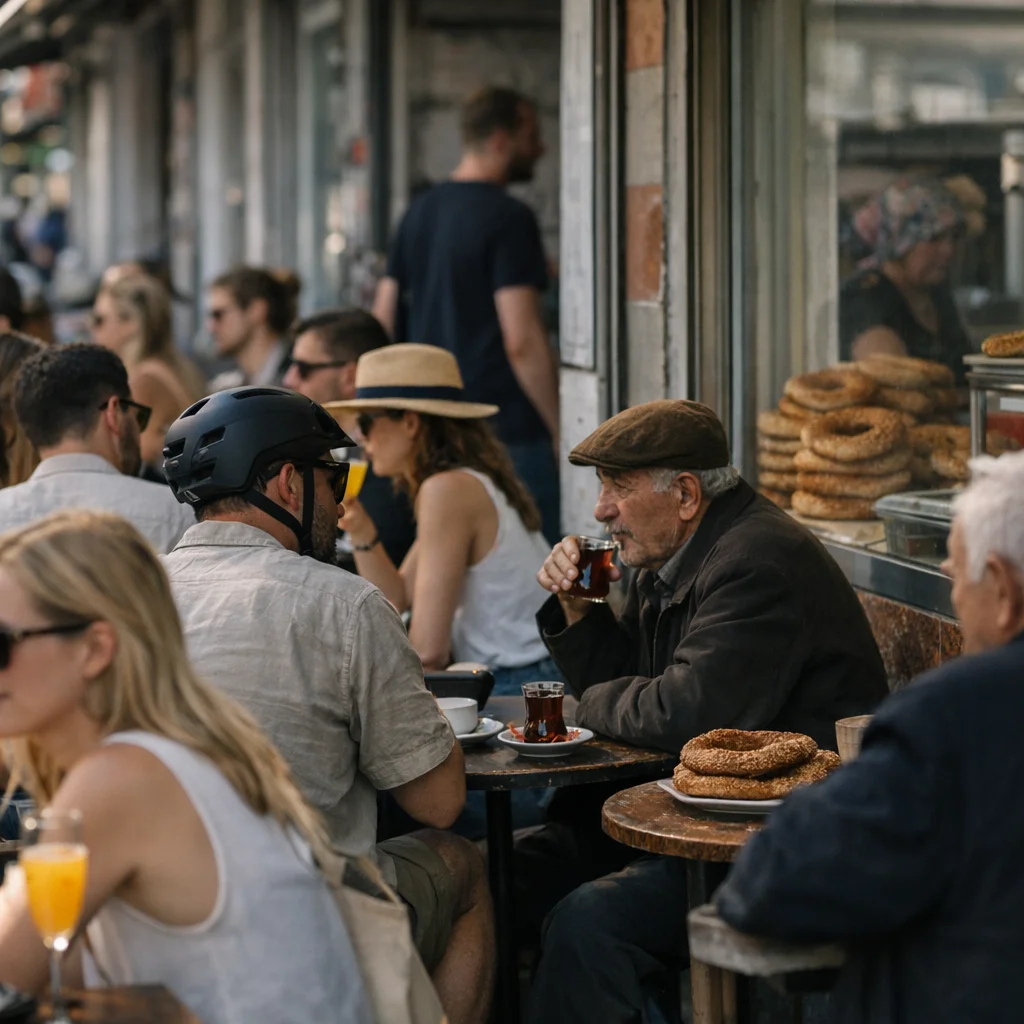
The cult of daytime indulgence
At cafés from Leopoldplatz to the edges of Müllerstraße, Berlin’s brunch religion has stopped pretending it is breakfast. It is now just sanctioned vanity: a social license to drink before noon, drip sauce on a shirt that cost too much, and call the resulting stupor “connection.” The crowd arrives hungry, not for food, but for the feeling of being the sort of person who can afford to be casually ruined in public.
In Wedding, the performance is more obscene because it is more honest. You can stand outside a Turkish bakery that still sells sesame rings for schoolchildren and watch, next door, a concept café charge €15 for eggs with a face like a tax receipt. The menu is a sermon about local sourcing, the tables are full of people who speak three languages badly and one language of entitlement fluently, and the coffee is strong enough to keep the conscience upright.
Who brunches like this
The clientele is a museum of soft-power decay: expats in expensive linen pretending poverty is a vibe, leftists with curated dishevelment and landlord-safe politics, and men who say “community” the way real estate brochures say “character.” They arrive with tote bags, bike helmets, and the glazed moral confidence of people who have never had to choose between rent and dignity because the city keeps subsidizing their experiment in tasteful collapse.
A waitress near Müllerstraße described the shift as a slow-motion humiliation ritual. “It starts with flat whites and ends with spritzes,” she said. “By then they’re talking about housing as if they personally invented the shortage.” She had the exhausted look of someone who has spent all morning lubricating the upper middle class while they congratulate themselves for being low-maintenance.
The city’s favorite laundering scheme
Berlin’s real specialty is not culture. It is laundering inequality through atmosphere. It takes precarity, wraps it in reclaimed wood and a handwritten menu, and sells it back as authenticity. The people who benefited from the rent spiral are the same ones who now stage little brunch séances about affordability, as if saying “solidarity” over a poached egg counts as politics.
The political trick is simple: extract value from the neighborhood, then decorate the extraction with sourdough. The landlords get their quiet increase, the investors get their “mixed-use” fantasy, and the brunch crowd gets to feel rebellious while paying for an aperol-based personality. It is class violence with a citrus wedge.
Wedding knows the scam
The older breakfast spots in Wedding do not need a branding strategy. They serve menemen, strong tea, and enough food to keep a person functional through the actual labor of the day. No one there is pretending brunch is revolutionary. They are too busy feeding people with jobs, shifts, children, and grief that has not yet been aestheticized.
The new places are more efficient, which is to say more shameless. They offer “slow mornings” to people who have outsourced every hard thing in their lives, then charge extra for the privilege of being gently patronized by a server with a dead-eyed smile and a tattoo that says nothing. The eggs arrive looking like they were plated by a management consultant in a minor crisis.
The little theater of self-admiration
The talk gets thick around noon. Class analysis appears, but only as table décor. Someone at the corner table explains inequality between mouthfuls of avocado, as if chewing wealth in public were a form of critique. A date takes photos of a mimosa with the concentration of a fraud filing paperwork. Another group discusses burnout while consuming a brunch platter priced like a monthly BVG fine.
It is all so tenderly indecent. These are people who will lecture you about sustainability while ordering imported fruit in February and then posting from a neighborhood they have already started to soften like a bruise. They call it ethical consumption because “predation” sounds too honest.
Waiting, but make it lifestyle
The district office, naturally, has no complaint. Administrative language loves this kind of mess because it can be described without ever being challenged. “Mixed-use hospitality” is a beautiful phrase if you enjoy watching a city get pickpocketed by adjectives. It means the sidewalks are crowded, the rents are rising, and everyone involved can still pretend this is vibrancy instead of a slow, perfumed eviction.
By early afternoon, the brunch crowd leaves with hangovers, selfies, and the warm delusion that they have participated in civic life. They have not. They have just spent money to simulate ease in a neighborhood that cannot afford their ease, their irony, or their appetite. Wedding keeps the receipts. The only thing these people are really catching up with is the cost of being looked at while they eat.