Wedding’s Municipal Housing Lottery Is Teaching Tenants to Cheer for Their Own Extortion
The district’s latest transparency ritual promises fairer apartments, but mostly turns desperate renters into applicants, content creators, and unpaid proof that the shortage is working as designed.
Administrative Grief Correspondent
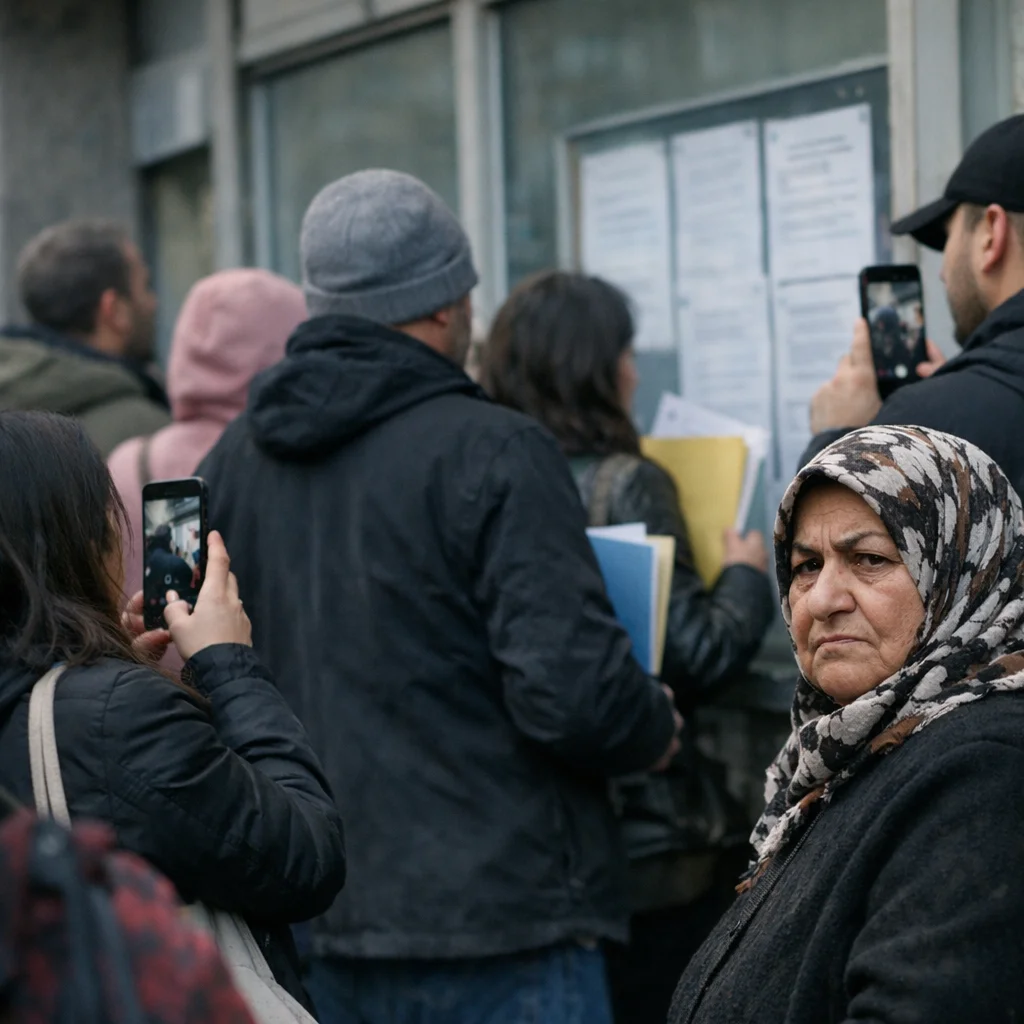
The housing office in Wedding has begun asking applicants to film their own misery.
What began as a municipal lottery for a handful of apartments has grown into a small theater of humiliation, with residents lining up, scanning QR codes, and posting proof that they were desperate enough to enter. The district says the system is fairer because it is transparent. In practice, it has the emotional architecture of a slot machine in a clinic waiting room: pull the lever, smile for the app, and pray your life gets a balcony.
Officials launched the lottery as a way to allocate scarce units without favoritism. That is the sort of sentence only a public office can say with a straight face while everyone else in the room is doing the math on who still has a spare room and who is one missed paycheck from sleeping on a cousin’s sofa. The app asks for documents, income brackets, and a short statement of need, which has apparently become the neighborhood’s newest creative format. Aspiring influencers with 47 followers have already begun calling themselves content creators because nothing says civic dignity like monetizing your own housing anxiety.
A district employee, who requested anonymity because she once printed the wrong PDF and still believes that makes her legally liable for capitalism, said the office was trying to avoid “arbitrary outcomes.” She added that the process had reduced arguments at the counter, although mostly because applicants now arrive too tired to fight. “People want to be on top of it,” she said. “They want a firm grip on the situation. Then they spend two hours being penetrated by the forms.”
Outside the office, a Turkish grandmother who has lived in Wedding for three decades watched a pair of young tenants record themselves in front of the notice board for a housing-themed story post. She rolled her eyes and said, “They say they hate systems, but they’ll still kneel for one if it comes with a ring light.” That line carried more truth than the district’s entire transparency report.
The district office says the lottery will continue next month, with more units and a “better user journey,” which is bureaucratese for making the same shortage feel more interactive. As in a Kafka novel rewritten by a UX consultant, the residents are not being helped so much as converted into compliant spectators of their own shortage. The waiting list remains unchanged. The only thing moving is the camera.