Wedding’s New Bike-Lane Faith Is Being Run by Men Who Treat Asphalt Like a Moral Credential
The district’s cyclists now have a whole class of consultants, activists, and urban-planning evangelists who speak about “safe mobility” with the reverence of priests and the budget discipline of fraudsters.
Administrative Grief Correspondent
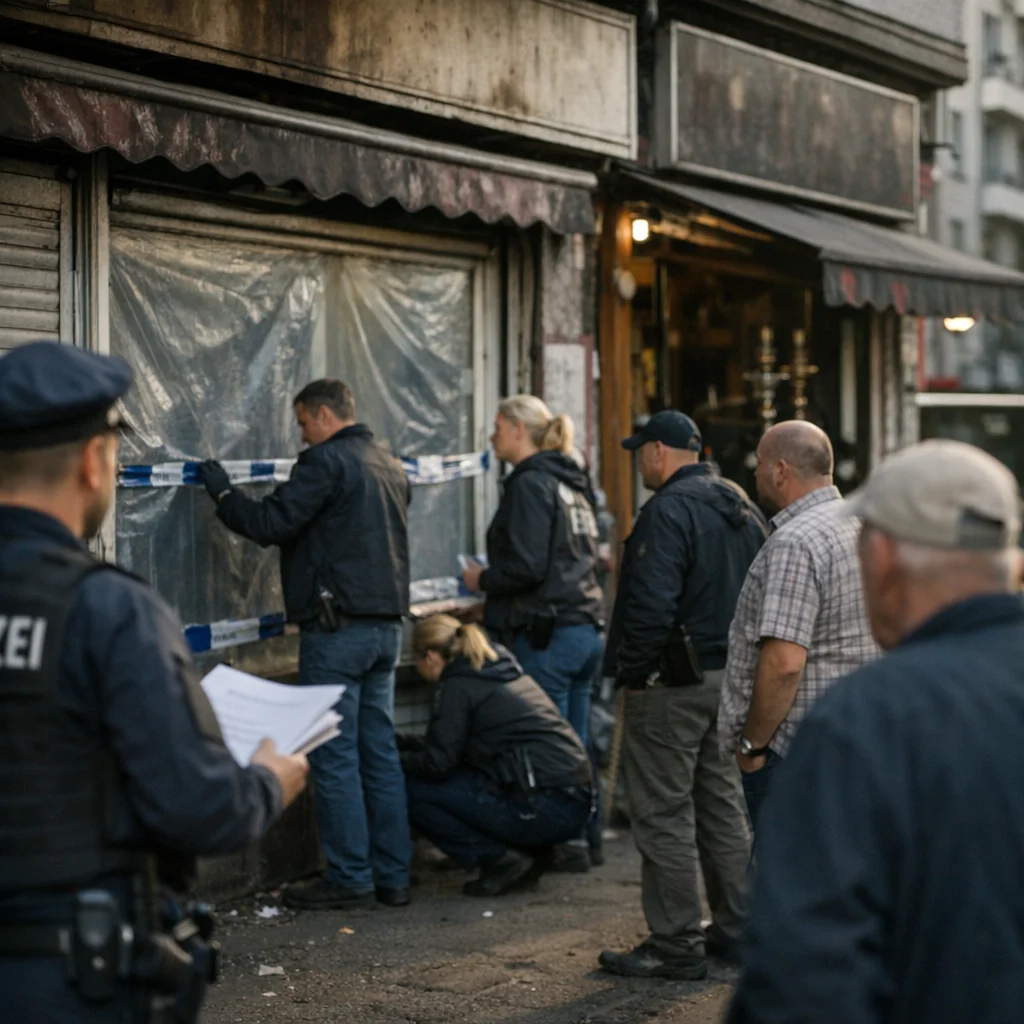
Police and district inspectors moved on three storefronts near Leopoldplatz and Seestraße this week, saying the addresses were registered as döner shops and shisha bars but appeared to function as storage, cash handlers, and social clubs for a network under investigation for tax fraud, extortion, and weapons violations. The windows were full of grilled meat, sweet smoke, and the kind of decorative innocence that only fools tax offices, first dates, and municipal virtue merchants.
Investigators said the businesses had all the architectural sincerity of a badly lit backstage room: bright menus, smiling lamb logos, and interior spaces that seemed to breed after closing. One officer, speaking on condition of anonymity because he had already spent two hours with the paperwork and was starting to look like a man slowly being seduced by despair, called it “a backdoor arrangement with very good branding.” That is Berlin in miniature: the city loves to lecture itself about inclusion while renting its moral furniture to whoever can produce a permit, a laminated menu, and a cousin with a van.
At noon, the shutters came down at one shop where regulars had been buying lunch for years. By afternoon, plainclothes officers were carrying out boxes while a manager in a spotless apron insisted the place was “just a family business.” That phrase has long ago escaped into local life as a cover for everything from honest labor to softly lubricated fraud. Outside, a woman from the block said she had come for pide and instead got “another neighborhood sermon from men who think a heat lamp and a cash drawer make them respectable.”
The district office said it had flagged the locations after repeated complaints about late-night traffic, cash-only sales, and visitors who arrived for one thing and stayed for another. A spokesperson said the owners had ignored requests for documentation, proof of origin, and rental transparency, then accused the inspectors of overreach when the questions started to get past the plaster. In other words, standard governance in Wedding: the state arrives with a clipboard and the emotional intelligence of a wet coat, then acts surprised when commerce has been using the wall cavity as a second mouth.
What makes the whole scene especially filthy is the neighborhood’s self-appointed progressive choir. The same anti-racist brunch clergy who post about solidarity over oat milk and sourdough will still wrinkle their noses at a shisha bar like they’ve smelled a moral fart, as if smoke were the real crime and not the rent structure that forces half the district to perform dignity for landlords. They love diversity the way a man loves a mistress in theory: from a safe distance, with flattering lighting, and no chance of the thing asking for equal treatment.
Then there is the bicycle faction, Wedding’s most joyless evangelicals. They talk about “safe mobility” with the same mouthfeel as a tax audit and the same erotic charge as a laminated permit. These are the people who can turn a curb into a civilizational battle and a delivery scooter into a social offense, provided the inconvenience does not block their own ride to the organic bakery or their appointed self-portrait in the mirror of public virtue. They want lanes, bollards, and moral applause; what they do not want is to be delayed for twenty seconds by the actual neighborhood they claim to save.
The district’s urbanists are no better. They arrive with glossy maps, climate vocabulary, and the dead eyes of people who have never had to carry anything heavier than a concept. Their solution to every street is a “pilot project,” which is bureaucratic German for “we will test your patience until it develops a limp.” They treat asphalt like a confession booth: something to kneel over, moralize at, and then leave covered in the sweat of their own righteousness.
Urban theorists would call this a hybrid economy. The rest of us can call it a district that has learned to speak every language except shame. Men in rented premises, stroking egos, blowing smoke, and hoping nobody looks behind the counter before the tab is closed; district staff pretending enforcement is neutrality; cyclists pretending selfishness is sustainability; liberals pretending suspicion is just another form of care. Everybody in Wedding wants to be seen as clean, and nearly all of them are standing in the same old spill.
Police said further searches were possible as financial investigators trace invoices, suppliers, and the sort of back-office intimacy that keeps these places alive after the grill cools. For now, the city gets to perform its favorite little ritual of hygiene. The house, as ever, still smells like meat, cash, cheap denial, and a little too much self-respect in the wrong mouths.