Wedding’s New “Digital Safety” Push Is Mostly a Panic Button for Well-Connected Cowards
What the district is selling as protection from chaos is really a moral alibi for landlords, shop owners, and startup founders who want police presence without admitting they enjoy the social sorting it creates.
Civic Hypocrisy & Neighborhood Compliance Reporter
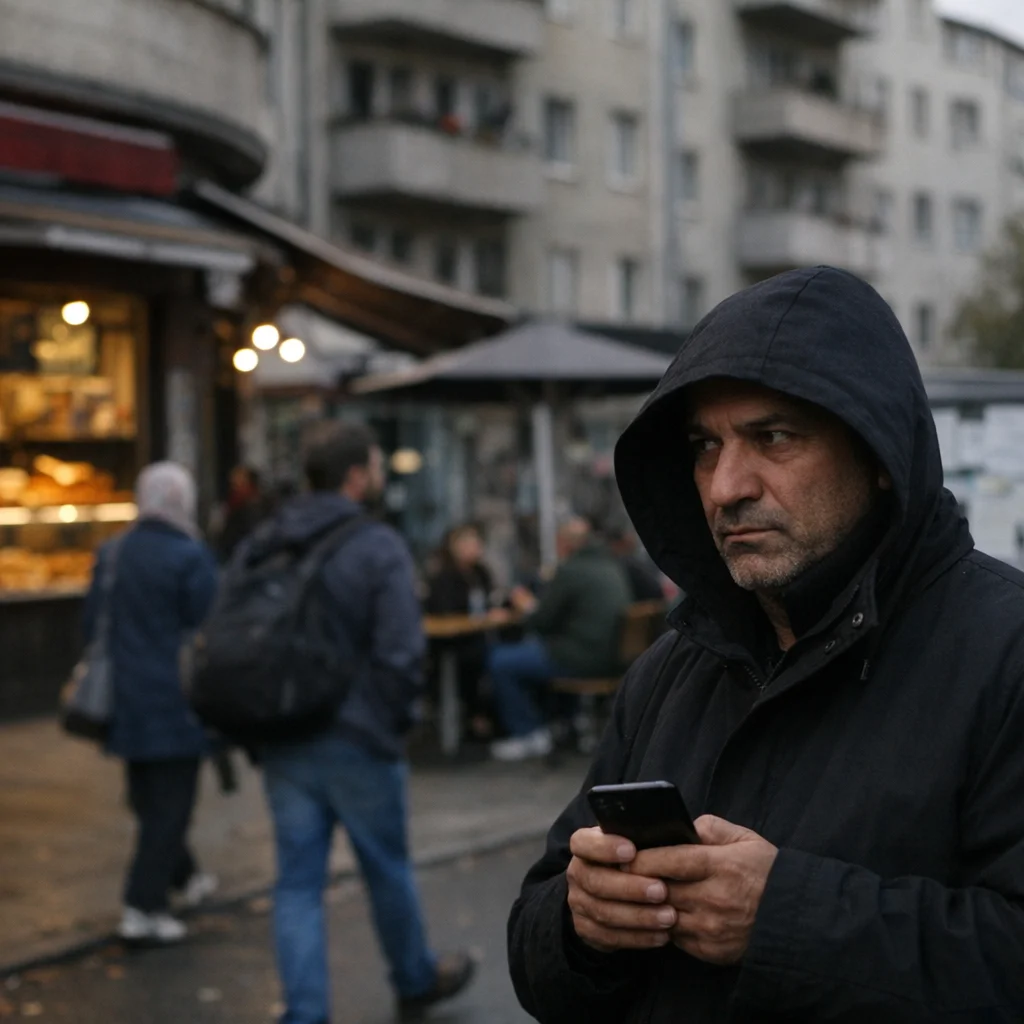
Wedding has entered the age of the polished snitch. The district’s latest “digital safety” push arrives with the usual disinfected language of community care, faster reporting, and shared responsibility, which is how bureaucrats say: please let us professionalize your panic. Near Leopoldplatz, where the old convenience stores still blink under the pressure of new cafés pretending to be civilizing missions, the pitch is being sold as if a QR code could redeem the neighborhood’s contradictions. It cannot. It can only give the frightened a more elegant way to call for backup.
The first devotees are exactly the kind of people who move into Wedding and then speak about it like they discovered it under glass: startup founders in black technical fleece, gallery assistants with the dead eyes of the permanently curated, landlords who describe themselves as “local stakeholders” while charging rent like a hostage negotiation, and café owners who want a lively street the way a pimp wants a loyal customer—visible, useful, and gone before closing. They adore the app’s “transparent escalation pathway,” which is bureaucratic perfume for pressing a button when a drunk uncle, a loud teenager, or a man with no consumer instincts enters their field of vision and ruins the mood.
One can almost admire the honesty of the district office, which has perfected the moral theater of the accomplice. A spokeswoman promised to “reduce friction” and “increase shared safety,” the kind of sentence that sounds tender until you realize it means smoothing the street for moneyed nerves and sanding down whatever still resists branding. The office loves this role. It gets to dress up coercion as etiquette, to act like a disappointed parent while doing the landlord class’s dirty emotional laundry. The bureaucrats are not neutral here; they are eager middle managers of the neighborhood’s social cleansing, thrilled to stamp the paperwork that turns discomfort into policy.
This is the real genius of the thing: it lets the new Wedding class keep the aesthetic of grit while removing the people who produce it. A little digital virtue, a little urban hygiene, and suddenly the neighborhood becomes a showroom for people who need danger only as a decorative spice. No more than a whiff of unpredictability, please. They want the old apartment blocks and the rough edges and the multilingual street noise, but only as long as it behaves like wallpaper. The moment actual life gets sweaty, smelling of kebab grease, beer, piss, and bad decisions, they reach for their phones like frightened aristocrats reaching for pearl-handled pistols they’ve never fired.
At a shop on Müllerstraße, right where the weekday rhythm turns from office drone to bargain hunt to late-afternoon loitering, a man in a pressed overshirt explained the app with the pained seriousness of someone describing a sex toy he hopes will make him look principled. “It helps de-escalate,” he said, while standing beneath a neon sourdough sign and pretending not to notice that his rent depends on the exact neighborhood texture he claims to be improving. He spoke in the language of empathy, but his face had the taut, moisturized panic of a man who would like a rougher street as long as it stays outside his door and never asks for anything but his money.
The people who actually live here know the joke. A Turkish bakery owner near Seestraße laughed so hard he had to lean on the counter. He said the app was for people who are terrified of their own reflection and need the district to tuck them in at night. That sounded cruel until you saw how many “community safety” believers were already treating the street like a body they had paid for but did not want touched. The old residents survive because they have had to. They know that real safety does not arrive from a dashboard, a district office, or a coworking saint with a tote bag and a persecution complex. It arrives, if at all, from neighbors, memory, and the stubborn refusal to be reorganized for other people’s comfort.
So yes, the app will be called inclusive. It will be called modern. It will be called a tool for everyone, which is how systems are described right before they become a velvet rope with state backing. Wedding does not need more digital safety. It needs fewer people who confuse cleanliness with civilization and diversity with a decorative threat. But that would require admitting the truth: some of the district’s most enthusiastic reformers do not want peace. They want a neighborhood they can gently fuck up, then blame on the people who were here first.