Wedding’s New “Heat Protection” Campaign Is Mostly a Fancy Way to Tell Delivery Riders to Hurry Up and Die Quietly
The district’s official concern for workers in the summer heat turns out to be a performance of empathy designed for posters, not paychecks.
Culture & Regret Correspondent
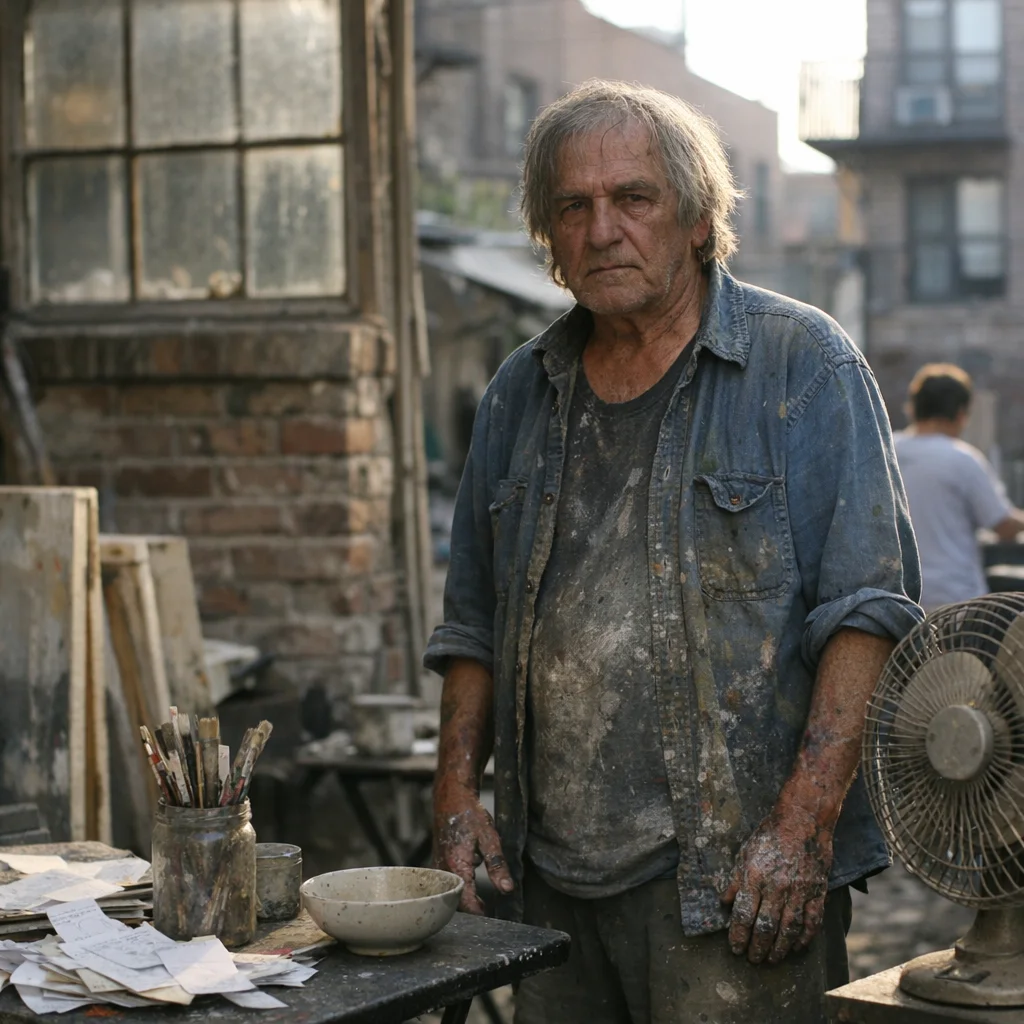
A small crowd gathered Thursday afternoon outside the courtyard studio in Wedding where 65-year-old painter and printmaker Cemal Arslan keeps working because retirement, like affordable housing, remains a boutique superstition for people with better paperwork and fewer bruises. Arslan, who has spent four decades making canvases that Berlin’s cultural class applauds at openings and forgets by breakfast, said he is still taking freelance restoration jobs, teaching workshops, and selling the occasional piece for the price of a secondhand e-scooter and a hangover.
“I was told for years that art is not a career, it is a calling,” Arslan said, wiping turpentine off his hands with the dead-eyed patience of a man who has survived every mayoral speech about “supporting creativity.” “Apparently the calling does not include a pension. It includes invoices, tendon pain, and a landlord who smiles like he’s already measured the room for your removal.”
Arslan’s situation is the city’s favorite obscenity in soft lighting: Berlin loves artists the way a pimp loves a customer’s wallet — reverently, abstractly, and only while the money is moving. The galleries that once flirted with his work now prefer younger faces with cleaner sneakers, shinier jargon, and parents still underwriting their little revolutions. The district loves murals, but only the kind that can be photographed beside a bicycle lane before being swallowed by a developer’s brochure. The rest of the labor — the teaching, the restoration, the unpaid emotional janitorial work that keeps the city feeling cultured instead of merely greedy — is expected to happen offstage, for free, like a discreet stain that’s been told to behave.
By late afternoon, a representative from the district culture office had arrived with the usual civic mouthwash, the kind that leaves your mouth cleaner and your life exactly where it was. The office said it “recognizes the contribution of long-term cultural practitioners” and pointed to a neat little altar of grants, application windows, advisory sessions, and photo-friendly listening formats that sound generous until you try to buy groceries with them. The ritual was almost comic in its self-regard: a laminated smile, a clipboard, a promise to “take the concerns seriously,” as if seriousness itself were a subsidy. Arslan nodded politely, the way people do when they are being offered symbolic intimacy instead of money. “They love the work,” he said. “They just don’t want to pay for the hands that made it.”
The younger artists around the corner were no less committed to the performance of goodness, just cheaper in the hardware and louder in the throat. From a nearby shared studio with peeling floorboards and a suspiciously expensive espresso machine in the back, they spoke of solidarity with the grave confidence of people whose rent is being subsidized by inheritance, subsidies, or both. One performance designer in a coat that looked borrowed from a better class of guilt called Arslan “an important witness to the neighborhood’s memory.” It was the sort of sentence that arrives polished, fragrant, and dead on delivery. Witnesses in Berlin are expected to be grateful while they are being archived, tagged, and used to season the next funding application.
The district’s new “heat protection” campaign fits the same method with a sunnier font: tell people to hydrate, shade themselves, and keep moving, then congratulate the city for caring while the actual terms of labor remain untouched. A sticker on a door is cheaper than raising pay. A map is cheaper than rest. A brochure is cheaper than a conscience. The municipality has turned concern into a predatory extraction machine with better branding — it siphons labor, then sells the worker back a reflective vest and a smile like that’s compensation.
Arslan said he will keep working through the summer and likely into winter, because the alternative is a bureaucratic surrender dressed up as dignity. The city will probably mount another panel discussion, commission another brochure, and call in another round of cultural managers to whisper about “intergenerational exchange” while standing over the old man’s exhausted body like donors circling a horse with a limp. He said he may go, provided they let him bring an empty bowl.
“That,” he said, looking at the district office’s polished concern like it was something left too long in the sun, “is the closest thing I have to a retirement plan.”