Wedding’s New Noise Complaints Office Has Turned Every Neighbor Into a Moral Snitch With a Civic App
The district’s answer to nightlife, construction, scooters, and “unreasonable” children is a platform that lets residents file suffering like a support ticket, and the loudest users are exactly the people who moved here.
Gentrification Symptoms & Pretend-Creative Economy Reporter
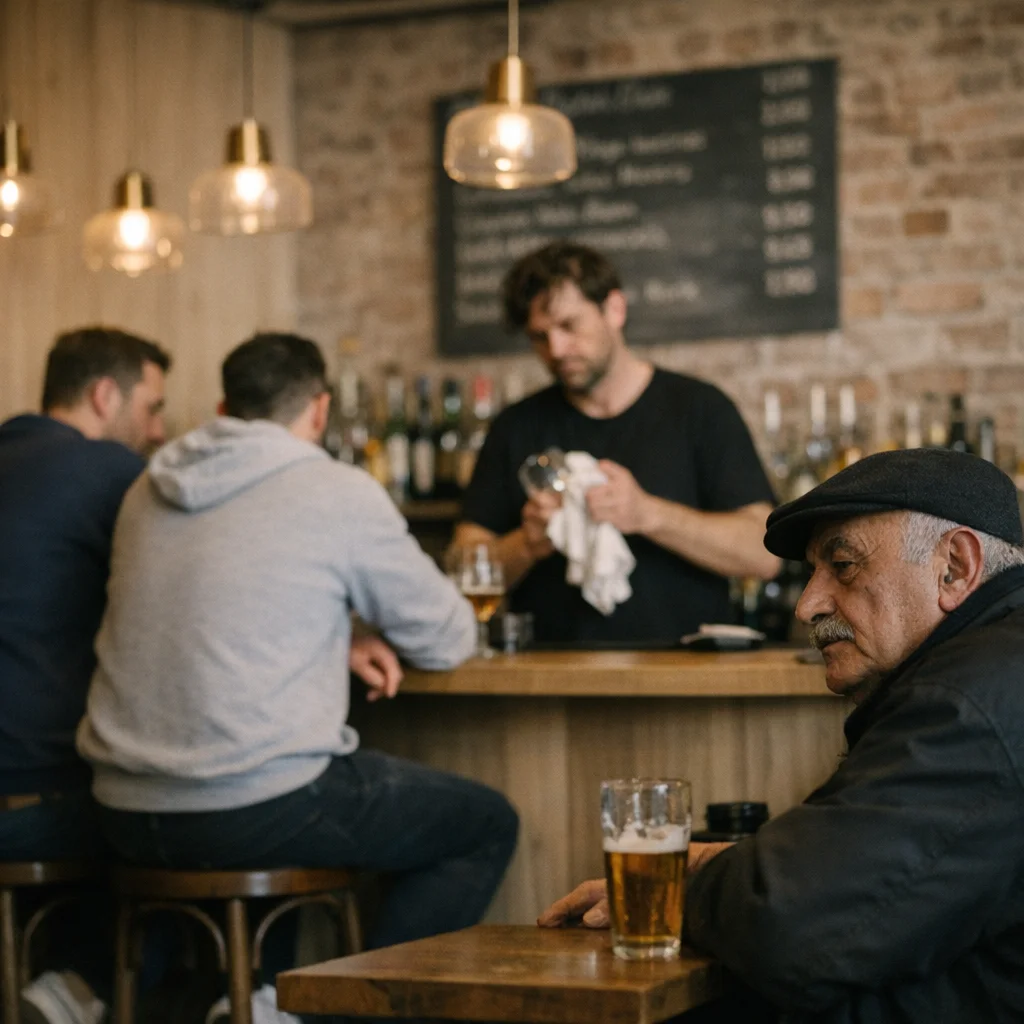
A string of old dive bars in Wedding has started disappearing into the soft white hands of venture capital, and the neighborhood is reacting the way a prison reacts when a new chaplain arrives: with suspicion, a little curiosity, and a strong desire to see who gets quietly stripped next.
First came the “concept” meetings. Then the branded chalkboards. Then the speakers got better, the beer got worse, and the men with folder-shaped jaws began calling the place a “community asset,” which is what predators say when they have learned to wear linen. One former bar regular, Mehmet Yilmaz, said the new owners arrived with the confidence of people who think a spreadsheet is a personality. “They said they were preserving the spirit,” he told this paper, “which is usually the sentence right before they remove it and charge for the room where it used to stand.”
By last week, the bar on Müllerstraße had replaced its cigarette-yellow walls with pale wood, a shelf of decorative books no one in the room had touched, and a menu of small plates that cost more than a month of arguments in the old place. The clientele followed the change with the obedience of lab rats. Startup men from the co-working offices came first, wearing immaculate sneakers and talking about “the local ecosystem” while ordering things they could not pronounce. Then arrived the art crowd, all posture and no pores, pretending to be mourners at their own future. Even the leftists showed up to complain in a way that looked suspiciously like networking.
A district official, reached for comment, said the neighborhood was “benefiting from revitalization,” a phrase so morally flexible it could service a brothel or a hedge fund. The landlord association, never burdened by shame, praised “investment confidence.” Meanwhile, the old bartender was offered a “transition role,” which in Berlin usually means your dignity has been forwarded to a human resources portal.
The whole operation has the emotional elegance of a Godard film cut by a venture capitalist: all glare, no soul, and the same men explaining the ending to women who never asked. The new bar now hosts pitch nights where founders practice saying “disruption” without laughing and call it a culture program. The regulars who used to nurse three beers and a grudge are gone, replaced by people spending twelve euros to feel roughened up by faux roughness.
One Turkish bakery owner nearby said he had already been asked whether he might “reposition” his shop to fit the evolving area. That is gentrifier language for taking a neighborhood behind a curtain and acting surprised when it stops calling. The district office says it is monitoring the situation. The owners say the concept is working. The only thing really thriving is the conversion rate from local misery into premium atmosphere.
A new tenant is expected to move into the old bar space next month. Rumor has it the concept will include natural wine, a DJ booth, and a mission statement about belonging.