Wedding’s New School Lunch Reform Is a Masterclass in Making Kids Perform Austerity for Their Own Meals
The borough’s official language is “healthy, sustainable, and inclusive.” The reality is a rationing system dressed up as ethics, where parents are asked to praise scarcity as if they’d invented virtue.
Administrative Grief Correspondent
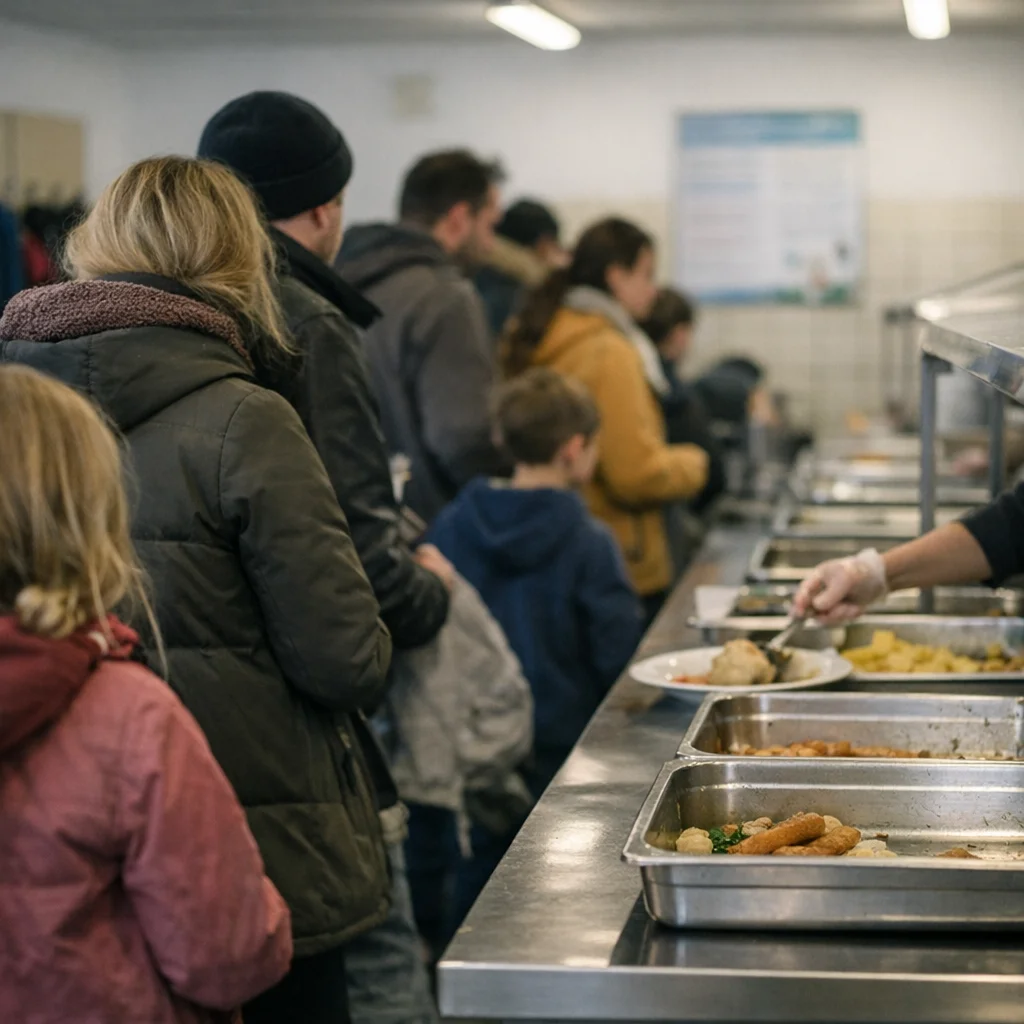
Wedding has discovered the elegance of making children pay for adult morality
In Wedding, where the district office loves to talk like a charity gala that swallowed a spreadsheet, school lunch reform has arrived in its favorite costume: healthy, sustainable, and inclusive. Three words, polished to a municipal shine, designed to make you forget that the actual meal now resembles a public apology.
The borough says the new system is about values. Which is bureaucrat for: we found a cheaper way to feed children and hired a consultant to call it compassion.
The menu of moral theater
At the school meetings, the language is always the same. Parents are told the reform will “reduce waste,” “encourage mindful consumption,” and “support climate goals.” That is the official perfume. Underneath it is the smell of rationing dressed as virtue, the kind of policy that arrives in sensible shoes and leaves children staring at a tray like it insulted their mother.
Wedding is especially good at this sort of performance because the neighborhood gives officials a perfect backdrop. You can say almost anything here if you say it with enough recycled cardboard confidence. The Bezirksamt Mitte gets to nod solemnly, the school catering contractor gets to invoice the nobility of smaller portions, and the parents get invited to a participation format where their objections are filed under “understood” and then quietly deleted.
The result is a lunch program that seems engineered by someone who believes austerity becomes ethical once you add herbs.
Who gets fed, who gets sermonized
Children are told to be grateful for less. Parents are told to be modern. The contractor is told to be efficient, which is the corporate version of asking a man to keep your coat while he empties your pockets. The district office, meanwhile, speaks in the gentle voice of administrative gaslighting: yes, there are fewer hot options; yes, the servings are smaller; yes, the queue is longer; but have you considered the pedagogical value of restraint?
That is the real genius of the reform. It turns deprivation into a lesson plan.
A child in Wedding now learns, very early, that public policy is something adults use to launder embarrassment. The broccoli is not just broccoli; it is a press release with steam on it. The lentils are not lentils; they are a procurement compromise wearing a wellness lanyard. Even the fruit feels managerial, as if it had been selected by a committee that hates joy and mistrusts hunger but only on paper.
Procurement logic, now with extra conscience
Follow the money and the sermon ends immediately. The borough buys the cheapest moral language available, then lets procurement logic do the rest. The vendor gets the contract. The district gets the headline. The children get the shrinkflation.
Nobody in the chain has to say the ugly part out loud. That is the whole beauty of modern governance. Every cut is presented as a refinement. Every reduction is framed as “quality assurance.” Every complaint from parents is treated as emotional overreaction, usually from people who still think a school meal should contain enough food to stop a child from fantasizing about the kiosk on the corner.
And because this is Wedding, the neighborhood of perpetual improvement campaigns and underfunded reality, the reform is also a little bit smug. It carries the exhausted righteousness of people who have never missed a meal while managing the menus of everyone else.
The local favorites in the blame game
There is always a spokesperson, of course. Some district employee with a soft voice and a hard budget tells the press that the reform is “future-oriented.” That phrase is doing a lot of work. It means: your kid can have less today and a brochure tomorrow.
Then there are the parents, dragged into meetings where they are expected to perform civic maturity while their children come home hungry enough to become philosophers. Some parents push back, others adapt the way Berliners always do: with sarcasm, resignation, and the secret shame of knowing they will eventually accept almost anything if the paperwork is calm enough.
That is the district’s real achievement. It has taught people to treat administrative cruelty as weather.
Healthy, sustainable, inclusive: the holy chant of managed deprivation
The language is so clean it should be charged rent.
“Healthy” means cheaper proteins and fewer things that children might actually finish.
“Sustainable” means the city has found a way to moralize its own failure to fund lunch properly.
“Inclusive” means everyone gets to stand in the same queue and pretend equality is the same thing as adequacy.
This is not reform. It is a municipal striptease where the district office slowly removes responsibility while keeping the lights low and the language tasteful. By the end, everyone is supposed to applaud the dignity of having less.
Wedding knows the script
If this sounds familiar, it should. Wedding has spent years being used as a proving ground for policies that look progressive from a safe distance and punitive up close. The borough is always being “supported,” “transformed,” and “strengthened,” which usually means someone has discovered a cheaper way to manage a public embarrassment.
So the lunch reform fits beautifully. It is local government in its purest form: a contractor profiting from smaller portions, a district office congratulating itself for restraint, and children expected to absorb the cost with manners.
The whole thing has the erotic energy of a beige spreadsheet pretending to be a conscience.
The actual lesson
What Wedding is teaching its schoolchildren is not nutrition. It is obedience dressed up as sustainability. It is the old civic trick of making people grateful for less while the adults in charge call it progress and adjust their collars.
The borough can keep its slogans. The parents can keep their patience, for now. But the children already understand the plot: if the meal is smaller every month, the lie is getting bigger.
And in Wedding, that is practically a public service announcement.