Wedding’s Vegan Boom Has Solved Everything Except the Cowards Who Need a Cow to Feel Like Adults
The neighborhood’s plant-based crusade is selling virtue as if it were a full meal, while the same people who lecture everyone about emissions quietly panic at any food that looks too much like a compromise.
Culture & Regret Correspondent
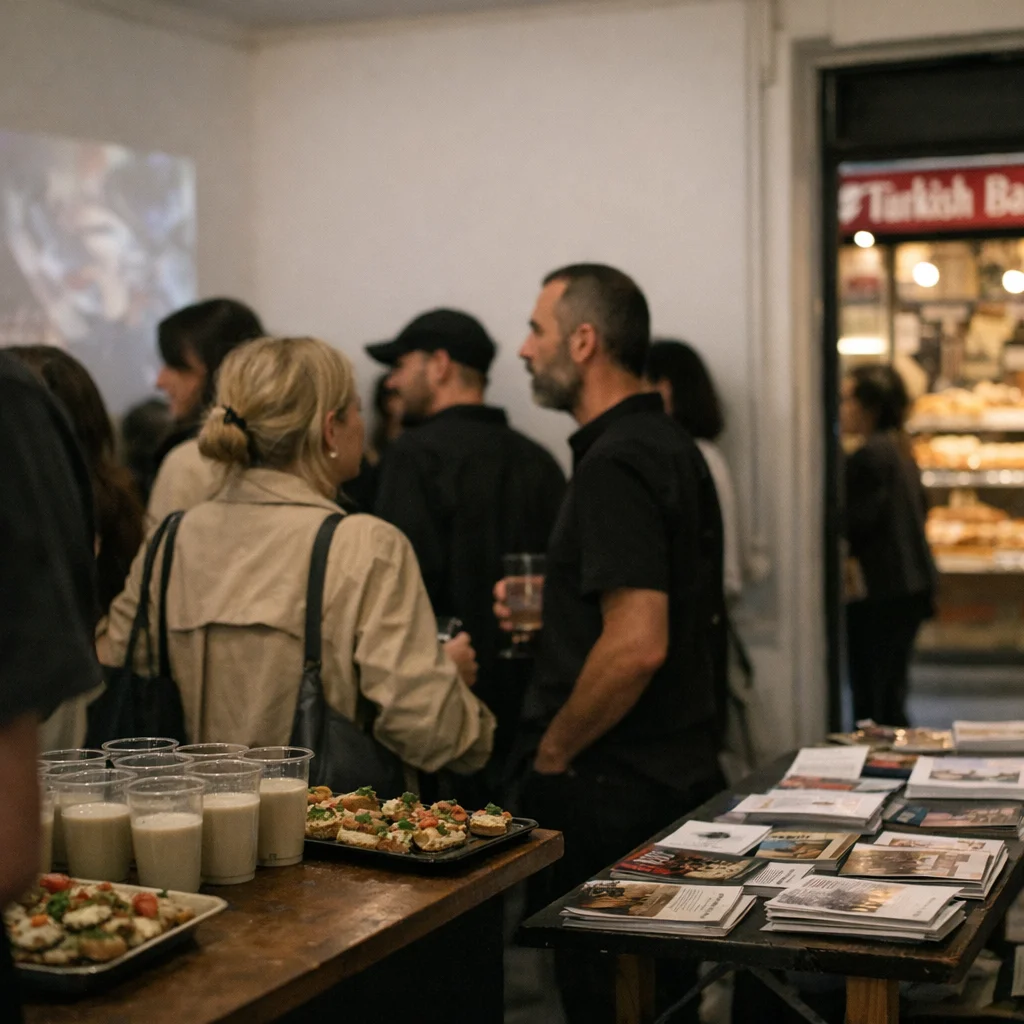
An art week preview in Wedding opened Tuesday evening with a roomful of curators, gallery interns, café operators, and men who introduce themselves as “founders” because the word landlord would make the throat tighten. The event, in a converted ground-floor space near Müllerstraße, was billed as a celebration of “creative energy.” In practice it was a tenant-clearance ceremony dressed up as nourishment: vegan canapés, recycled paper, and the familiar colonial tone of people explaining the neighborhood to the neighborhood.
The show itself featured abstract canvases, a video loop about displacement, and a panel on “community access” attended mostly by people who had arrived by bicycle and then spent the evening congratulating one another for not being monsters. The same crowd was also orbiting the back counter where an oat-milk pop-up had sold out of flat whites and a dish described as “smoked root vegetables with ethical herbs,” which is a marvelous phrase if your goal is to make hunger sound like a trust exercise.
At the entrance, a small stack of flyers advertised a workshop on “sustainable urban futures” co-sponsored by a district office initiative, a neighborhood café chain, and a gallery collective that speaks about inclusion the way a real-estate brochure speaks about sunlight. The message was clear enough to smell through the room: the state will bless the branding, the cafés will soften the edges, and the galleries will call the whole operation civic care while the rent climbs up the stairs in boots.
One guest from a nearby co-working space, who asked not to be named because he is still “iterating” on his politics, said Wedding had “so much texture.” That was technically true. The texture was old Turkish grocery signs, fresh paint covering old damage, and the damp economic smell of a district being polished for people who find actual poverty aesthetically distracting. He said he loved the neighborhood’s “authenticity,” which is the word gentrifiers use when they want the original residents preserved like garnish, not housed like adults.
A woman in black linen explained that her residency was “about listening.” She said this while talking over a cleaner carrying empty crates and a tray of used cups like a woman moving evidence after a bad night. That is the contemporary art and vegan scene in one sentence: a Derrida seminar with better shoes, worse manners, and enough self-regard to breed in the room like mold.
The vegan angle was not just in the menu. It was the ideology. The whole room was built on the fantasy that if you switch the milk, the morals will follow. No one in the crowd wants to be seen as cruel; they only want to be comfortably adjacent to cruelty, with a compostable spoon in one hand and a funding application in the other. They talk about animals with tears in their eyes and then, with the same wet sincerity, help turn a working street into a lifestyle corridor for the tender, the salaried, and the predatory.
Nearby, Hasan Demir, 54, who runs a Turkish bakery two doors down, said the neighborhood had started attracting the kind of people who “love the people who used to live here almost as much as they love pushing them out.” He laughed in the tired way of a man who has heard every version of this insult before. Then he pointed at the art crowd and said the new cafés are fine until they learn the neighborhood is “very good at making money for other people.”
He said the bakery still does better on days when the galleries open, because the newcomers need somewhere to buy bread after they have finished consuming morality in liquid form. But he added that the pattern is always the same: first comes the espresso, then the workshop, then the grant language, then the rent hike with its little bureaucratic smile. “They come in talking about community,” he said, “and leave people with a notice on the door.”
The district office issued its usual pious fog, saying it welcomes “creative initiatives” while monitoring “balanced neighborhood development,” a phrase that in Berlin means someone has already approved the knife and is just choosing the font. Officials love this arrangement because it lets them call displacement a dialogue. The galleries love it because they get to cosplay as public service. The cafés love it because they can sell ethical froth at a premium while pretending their margins are a form of activism. It is a lovely little ménage à trois of culture, administration, and rent extraction, with everybody pretending not to be getting fucked.
A gallery spokesperson said the program “centers dialogue,” which in practice meant a lot of expensive silence broken by people asking whether the space had “ever been something else.” It had. That was the point. The entire district is being converted into a museum of the lives that made it possible, curated by the kind of people who would describe eviction as adaptive reuse if you gave them enough white wine.
By the time the last guest left, the opening had done what these events always do: transformed culture into a velvet rope for the class that cannot bear to be excluded from anything except responsibility. Tomorrow they will post about empathy, local produce, and the importance of community. Then they will return to their rooms, their subscriptions, and their filtered consciences, carrying the sweet aftertaste of oat milk and civic vandalism. The bakery next door is still open, for now, which is more than can be said for the integrity of the room.