Wedding Techno Purist Demands DJs Replace Melodies With Ketamine-Friendly “Tasteful Absence”
At a secret dancefloor near Gesundbrunnen, a self-appointed audio ascetic insists that anything you can hum is “commercial violence,” then requests a 14-minute kick drum with “less personality.”.
Scene Hygiene & Audio Moralism Reporter
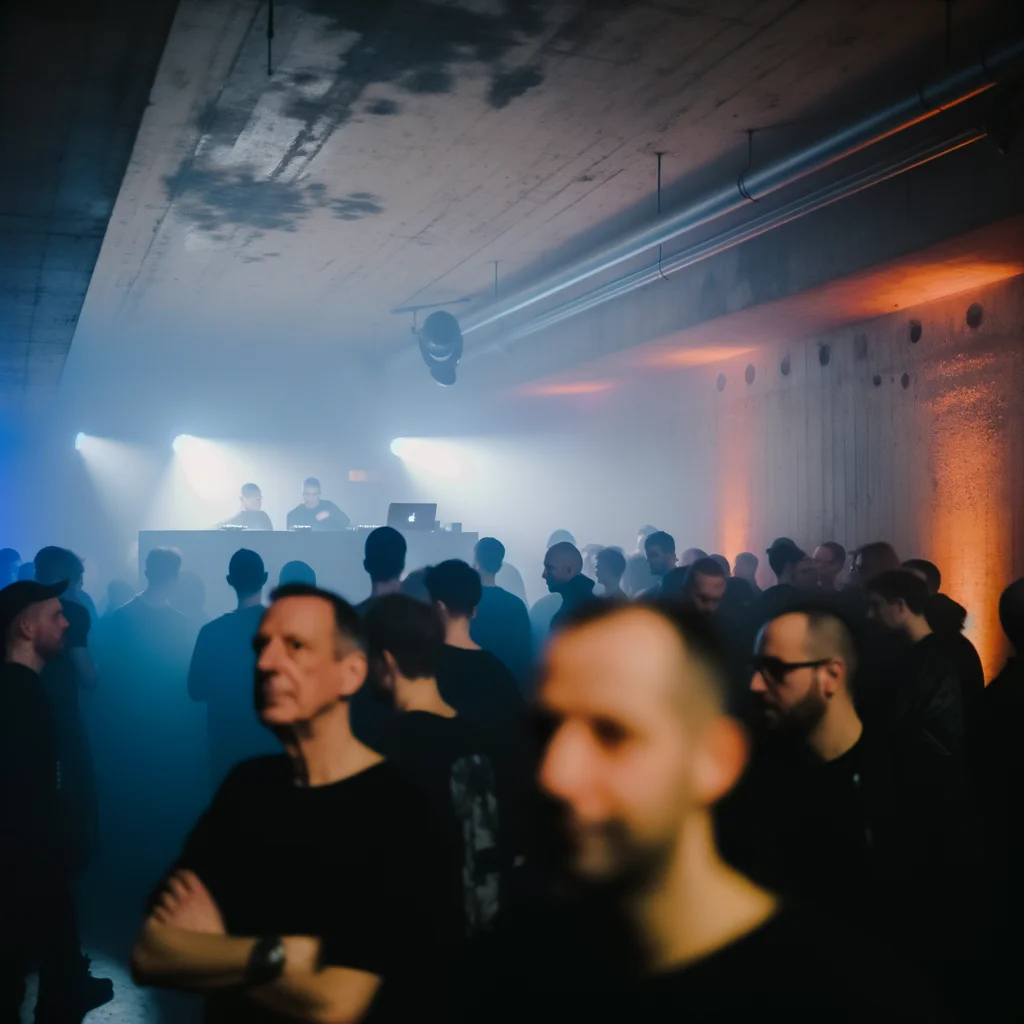
WEDDING—At 3:12 a.m. in a basement so undecorated it could be a landlord’s conscience, a local techno purist paused mid-stare at a concrete wall to deliver a grievance that will echo for exactly 32 bars: modern DJs have begun “smuggling melody” into sets, and it’s “basically gentrification you can dance to.”
Witnesses say the man—known only as “Marko, but like, without a surname vibe”—became visibly distressed when a DJ introduced a minor-key synth line long enough for the human brain to register meaning.
“Do you hear that?” Marko hissed, trembling like an art critic confronted with color. “That’s a tune. That’s content. That’s emotional infrastructure. Next thing you know they’ll add a chorus and the landlord will install recessed lighting.”
The Anti-Melody Doctrine (Now Available as a Paid Newsletter)
Purists in Wedding are now promoting what they call “tasteful absence”: tracks engineered to contain no identifiable motif, no “hook,” and no trace of what most people would classify as joy.
Their ideal set list resembles a NATO briefing delivered by a kick drum—informational, firm, and dead inside.
One regular, a self-described “minimalist maximalist” with the vocal warmth of an unpaid electricity bill, explained the scene’s rules:
- If you can hum it, it’s selling out.
- If you feel something, you’re the problem.
- If your friend smiles, check their pupils and your friendship.
- If a melody happens accidentally, stare at the DJ until it stops.
“Melody is just branding for people who want to be loved,” said a woman sipping Club-Mate like it was an alibi. “We’re here to dissolve the ego. Or at least blur it into a damp smear.”
Wedding’s Old Guard vs. New Ears
Longtime residents in Wedding—especially Turkish shop owners who have seen every trend die, resurrect, and open a concept store—respond to the anti-melody craze with the same weary patience they reserve for malfunctioning card readers.
At a Turkish bakery that stays open late enough to witness humanity rebooting, an employee summarized the movement while sliding simit into a bag.
“They come in at sunrise wearing all black,” he said. “They don’t speak much. They order water like it’s radical. Then they argue about whether a snare drum is ‘too narrative.’ Anyway, that’ll be 3 euros.”
Outside, a newcomer in a mesh top insisted that Wedding’s true authenticity is “strict sonic austerity,” then asked if the bakery could switch to an “English-forward menu for accessibility.” The simit did not consent.
DJs Under Pressure to Perform Less
DJs report the purists are demanding sets that are “more punishing,” “more academic,” and “less… recognizable as music.”
One DJ, speaking anonymously for fear of being morally audited, described a recent request: “A guy offered me a bump and said, ‘Make it sound like Wittgenstein arguing with a broken ventilation system.’ Which… I guess I already do, but it’s nice to be seen.”
Club workers say these purists treat melody the way Victorian doctors treated ankles: proof society has collapsed, and something shameful is trying to get in.
The purists, ironically, are highly organized for people who claim to hate structure. They maintain spreadsheets ranking tracks by “tunefulness,” and they’ve developed a kind of stiff resistance to anything that “goes anywhere.”
One critic compared the phenomenon to Adorno’s fear of mass culture, if Adorno had owned a mesh tank and survived purely on cigarettes and spite.
Chemical Aesthetics: Ketamine as Curator
The movement’s critics argue that the so-called purity is less aesthetic principle and more pharmacological preference.
“Look, ketamine isn’t exactly begging for a singalong,” said a bartender wiping down a counter that had never once been cleaned with belief. “People want the music to match the internal architecture. Flat surfaces. No corners. Nothing you can trip over—sonically or otherwise.”
Indeed, multiple attendees praised the current sound as “very compatible with going deep,” while refusing to clarify whether they meant the sub-bass or their own personal abyss.
Melody Accused of ‘Emotional Landlordism’
By late Sunday night, Marko’s faction had drafted what they call a “Sound Ethics Charter,” proposing:
- Mandatory melody checks at the booth.
- A moment of silence after each recognizable chord.
- Bouncers empowered to deny entry to “people with happy feet.”
When asked what, exactly, counts as a melody, Marko took a long pause—either thoughtful, or buffering.
“It’s… when the sound suggests a future,” he said. “That’s how they get you. First you imagine tomorrow, then you negotiate, then you sign a lease.”
He then returned to the dancefloor, where he stared at the speakers with religious devotion, as if waiting for God to finally drop the kick.
By morning, as people emerged into the honest cruelty of daylight, the DJ reportedly made a final, illegal move: a warm pad drifting in like a memory.
Several purists claimed they felt “unsafe,” one demanded an apology, and another was seen humming involuntarily—proof that in Wedding, the real contraband isn’t drugs.
It’s a tune you can’t unhear.