When The New York Times Names Names, Wedding Wonders Who’s Buying Its Culture
NYT files about Epstein and a prominent U.S. official read like a manual — and a local patron seems to have followed it to a gallery opening on Gerichtstraße.
Gentrification & Patronage Correspondent
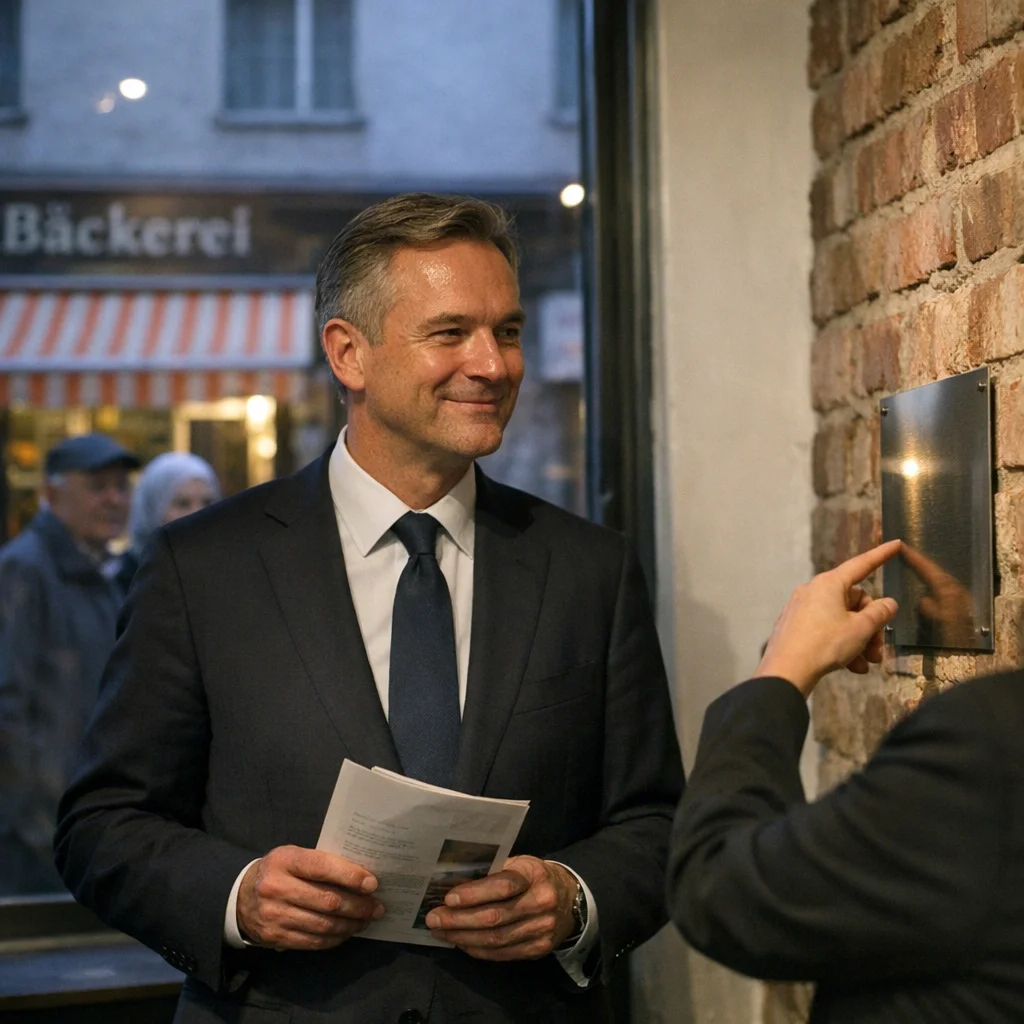
Since The New York Times published voluminous files about Jeffrey Epstein’s dealings with Commerce Secretary Howard Lutnick, Berlin’s platonic moralizers have been asking a reasonable question: if it happened in Manhattan, who’s busy reproducing the playbook in Wedding?
Answer: the man everyone calls “The Patron” — a suit who moved here for anonymity and stayed for the tax write-off. He showed up with a check, a private tour, and a refusal to be named in press releases. Within weeks a run-down ballroom on Gerichtstraße was reinvented as a “community cultural hub,” complete with a plaque no one had time to read before it was polished.
The scripts are depressingly similar. Outside, Turkish families still buy morning breads from the same bakery; inside, curators whisper about jury panels and donor circles. Artists—who spent years perfecting the performance of principled poverty—have discovered the efficiency of a bank transfer. The leftist book club that used to meet at Ahmet’s pastry counter now hosts a fundraiser where the entrance fee is “solidarity” in euros.
The NYT revelations matter because they show how influence can be bought, hushed, and repackaged as philanthropy. In Wedding the old trick is identical: privatize access, privatize applause, privatize accountability. Foucault might have called it a new modality of power; Walter Benjamin would have watched the angel of history get a sponsor and a logo.
Neighbors are conflicted. The Patron paid to restore the façade and, yes, the streetlights work. The stairwell no longer floods. But the people who still live upstairs now pay VAT on the new “cultural improvements.” When asked, the patron insists donations are private and “for the community.” A local tenant group calls it a backdoor donation; the gallery calls it a “strategic partner.” Both involve lots of sliding envelopes and fewer questions.
The moral choreography is predictable: perform outrage on social media, attend the opening for free cocktails, then explain later that you “needed to do the work from within.” In the meantime, the plaque gleams and the program schedule is full of panels about accountability—always scheduled at times when actual residents are at work.
If Epstein’s files teach anything, it’s how easily proximity becomes permission. Wedding’s lesson is less poetic: a well-timed check buys a closed-door tour, a commemorative plaque, and a degree of plausible deniability that gets everyone to look away—just long enough for the donor to get on top of the cultural calendar and never be asked back.