Who Gets to Be Miserable Here? A Competitive Guide to Neighborhood Suffering
New arrivals demand artisanal authenticity; old-timers demand a museum exhibit called “Us.” The judges? Everyone with a tote bag and a trauma story.
Neighborhood Resentment Desk
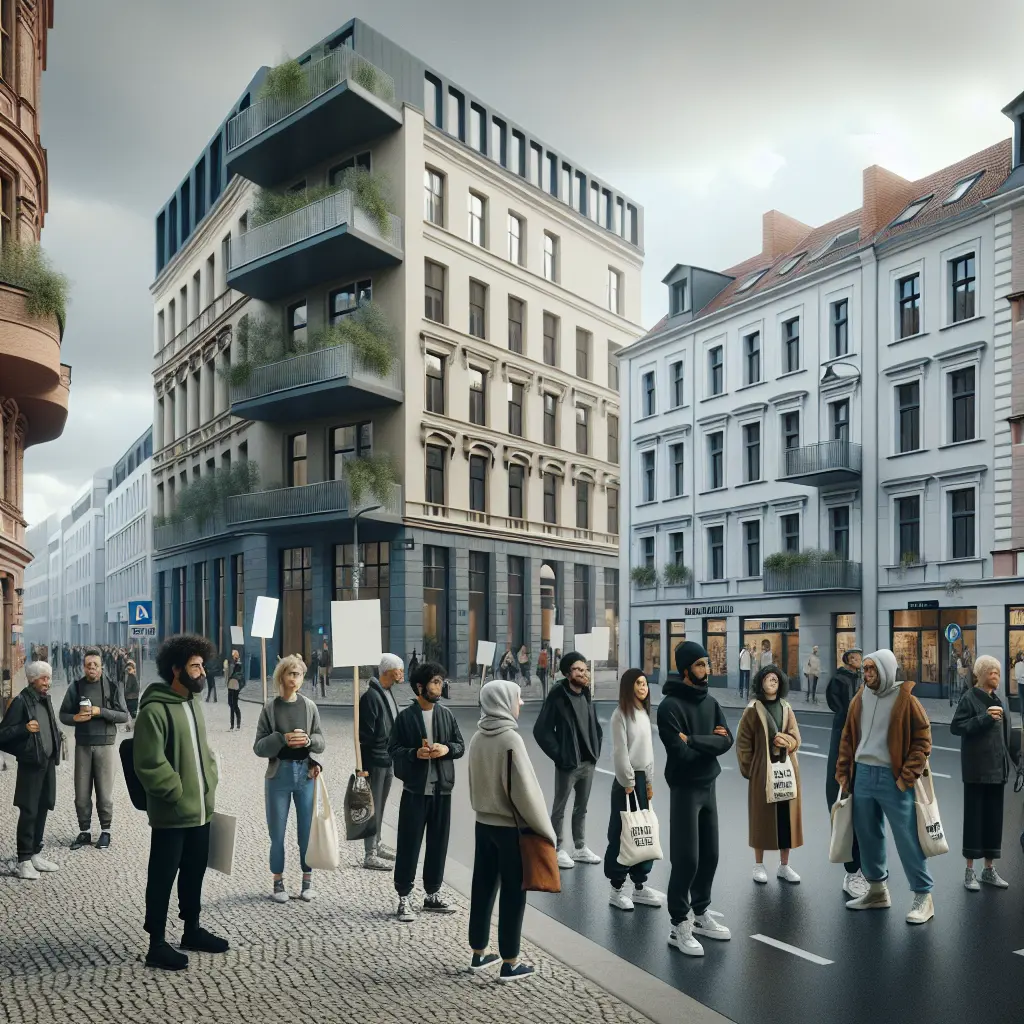
Berlin has finally found a sport it can dominate without building anything: competitive complaining about neighborhood change. Not activism. Not organizing. Not voting. Just pure, weaponized grievance—measured in decibels, Instagram captions, and how many times you can say “back then” before your vape dies.
This isn’t a culture war; it’s an amateur theater festival where everybody is both victim and critic, and the only script note is: more suffering, less nuance.
Event #1: The Authenticity Triathlon
A three-part endurance test:
- Citing the Year You Arrived
- 2023 arrivals insist they’re “not like the other newcomers” because they once ate a “cheap” sandwich.
- 2016 arrivals claim they witnessed “the last real Berlin,” which is adorable, like a toddler describing the Roman Empire.
- 1998 arrivals speak in sacred parables about a time when you could rent a whole apartment for the price of one cocktail and a handshake.
- Naming a Closed Venue Like It’s a Dead Relative People don’t say “a café closed.” They say “we lost a community pillar,” about a place that served $7 espresso and played lo-fi beats to help freelancers pretend they’re working.
- Performing Poverty With Accessories Everyone has money for tattoos, therapy, and a bike that costs more than my annual will to live, but somehow “rent is violence” is still said with the confidence of a TED Talk.
Event #2: The Sourdough Stakeout (Team Newcomer)
New residents arrive with a dream: to live in a gritty neighborhood “before it changes,” which is like joining a gym “before it gets crowded” and then immediately inviting everyone you know.
They want “local character,” meaning:
- A bar that looks dangerous but is actually safe.
- A street that feels “raw” but still has reliable Wi‑Fi.
- A landlord who respects their identity (as a customer).
They’ll tell you they moved here for the “community,” then spend their first month writing a group chat manifesto about why the kebab place should switch to “cleaner ingredients.” Nothing says solidarity like redesigning someone else’s livelihood because your stomach is doing a podcast.
Event #3: The Veteran’s Grievance Pentathlon (Team Old-Timer)
Longtime residents have their own routine, polished over decades:
- The Nostalgia Monologue: “It used to be real.” (Translation: I was younger.)
- The Purity Test: “You’re not from here.” (Nobody is. Not even the pigeons; they’re basically tourists with wings.)
- The Doomsday Prophecy: “Soon it’ll be like… anywhere.”
- The Conspiracy Theory: “They want us gone.” (Yes, the international cabal of brunch.)
- The Final Move: Naming a grocery store remodel like it’s a war crime.
They’re not wrong about the displacement. They’re just weirdly committed to making it everyone else’s fault except the people who profit, because blaming faceless forces is easier than admitting the real villain is boring: policy, money, and the human instinct to monetize whatever we claim to love.
The Judges: Influencers, Developers, and Your Own Ego
The scoring system is simple:
- +10 points for posting “I’m heartbroken” with a photo of a new building you definitely would have rented if it had exposed brick.
- +5 points for calling a neighborhood “my neighborhood” after three months.
- +3 points for insisting you’re “just observing,” while actively accelerating the thing you’re observing.
- Automatic disqualification if you propose an actual solution. This is Berlin, not a functioning society.
A Modest Proposal: The Complaints Exchange Program
To reduce tensions, the city should implement a mandatory swap:
- Newcomers must spend one week living like the people they romanticize: no “cute” poverty cosplay, just real uncertainty, real bureaucracy, and the thrilling game of “will my landlord pretend they’ve never heard of a repair?”
- Old-timers must spend one week living like the people they resent: job insecurity dressed as “freelancing,” social life held together by apps, and the constant pressure to turn every personality trait into a brand.
At the end, everyone will still hate each other, but at least it’ll be evidence-based.
The Real Winner
There is no winner. That’s the beauty of it.
The neighborhood changes, the rents rise, the old places vanish, the new places open, and we all stand around pointing at each other like we’re in a low-budget courtroom drama called People v. Vibes.
Berlin doesn’t need another debate about who belongs. It needs a mirror, a calculator, and a city government that isn’t run like an elaborate prank.
Until then, keep training. Hydrate. Stretch. And remember: if you’re not complaining, are you even living here?