Wolfgang Hörner’s Favorite Civic Service Is Yelling What the Senate Won’t Say
Berlin’s new respectability panic has produced a very German breakthrough: a public defense of profanity as mental health policy.
Civic Hypocrisy & Neighborhood Compliance Reporter
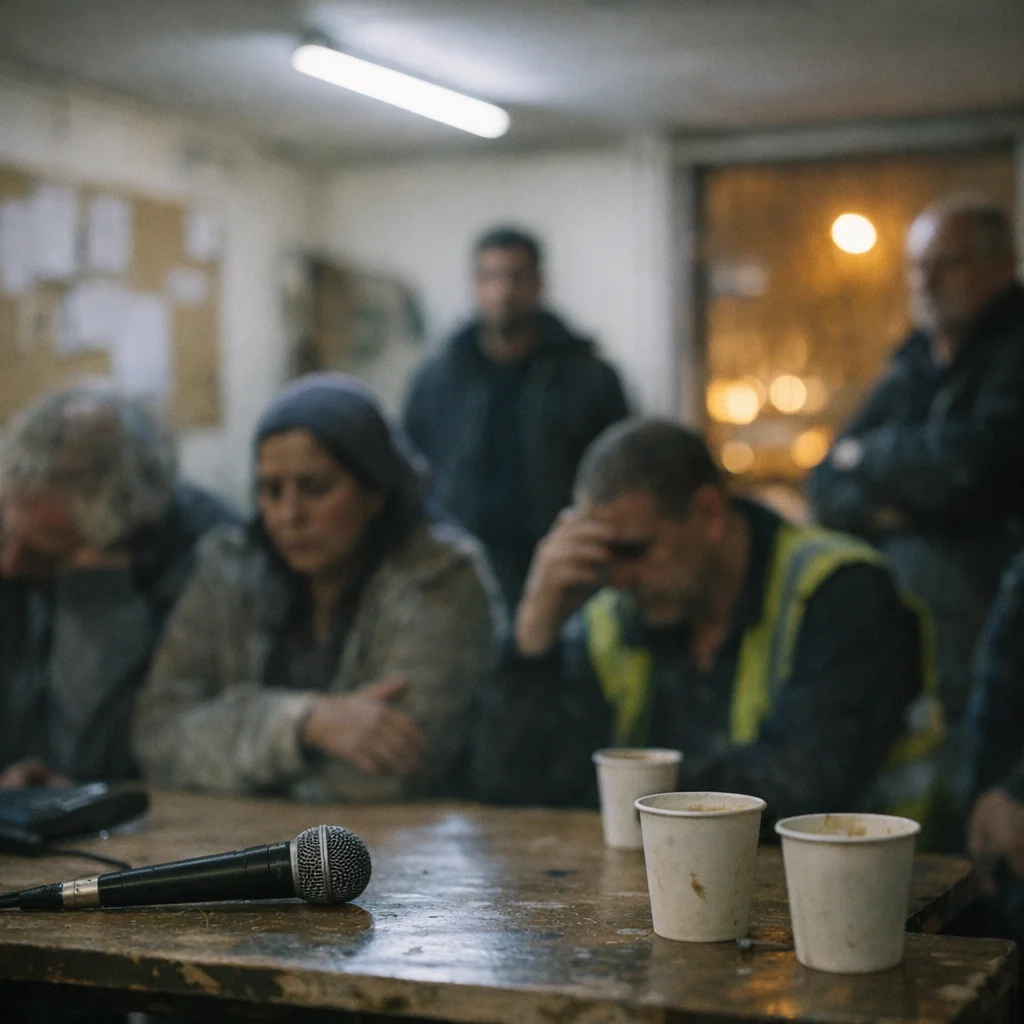
At a packed neighborhood forum in Wedding, residents spent Tuesday evening arguing that Berlin’s sleep schedule is no longer a schedule but a hostage situation with adjustable hours. The event, held in a community room above a Turkish bakery that smelled like burnt sugar, old radiator dust, and the damp desperation of people waiting for better lives, drew nurses, delivery riders, freelance designers, and one man in a linen jacket who said he “only naps when the city deserves it.”
The debate began after the district office circulated a suggestion sheet on “flexible rest practices,” a phrase so bloodless it could have been drafted by a sleeping tablet in a cardigan. In the soft bureaucratic dialect of Wedding, this is how power talks when it wants to sound caring while doing absolutely nothing. By the time people got to the microphones, the city’s preferred fantasy was already dead: that Berliners wake at dawn, work like Calvinists, and collapse politely at night. Instead, attendees described a metropolis that treats sleep the way landlords treat tenants — as a rumor, not a right.
The real villains were not hard to spot. They were the people who make a living laundering exhaustion through vocabulary: the nonprofit facilitator with the sandal tan and the dead eyes, the municipal spokesperson who says “resilience” the way a mortician says “closure,” the wellness consultant who charges 180 euros an hour to tell a cleaner to breathe properly. These are the priests of soft coercion, kneeling before burnout and calling it balance because that sounds less obscene than admitting the system is chewing people raw.
“You cannot run a city on apology naps and moral superiority,” said Selin Yilmaz, who owns a café near Leopoldplatz and requested anonymity because her teenage son would otherwise mock her in three languages. “My customers arrive looking like they have been in a minor naval disaster. Then they ask for oat milk and a chair, like I am supposed to stroke their fragile little civic egos into coherence. That is not wellness. That is survival with branding.”
The room agreed, though for wildly different reasons. A nurse from Charité said the night shift leaves her “deeply penetrated by bureaucracy and caffeine,” which drew applause from people who understood both meanings and winced at themselves. A delivery rider in a soaked jacket said he had spent the week carrying parcels up five floors for people who write about rest online between Pilates and passive aggression. A startup founder complained that early meetings punish “the most innovative minds,” by which he meant men who confuse jet lag with genius and call their own vanity a productivity strategy. A single mother from Müllerstraße said her sleep is interrupted by children, sirens, and the sound of someone upstairs assembling Scandinavian furniture at midnight like a weak attempt at a Beckett play with better lighting.
Outside the room, Wedding kept doing what it does best: rent pressure, kebab grease, pharmacy queues, boys on scooters with the attention span of a cigarette burn, and the steady theater of people pretending they are only one workshop away from dignity. On Müllerstraße, a billboard advertised “healthy urban rhythms” above a shuttered storefront. Near Leopoldplatz, a municipal poster promised community care while three men argued over a bench like it had personally betrayed them. This is the neighborhood’s real export: not authenticity, but fatigue with a price tag.
Officials replied with the kind of tenderness usually reserved for machine breakdowns. A spokesperson for the district office said residents should “explore healthier rhythms,” a sentence that landed like a wet towel on a body already too tired to be offended. A facilitator from a local nonprofit suggested “rest literacy,” which sounds like something invented by a committee of people who have never missed a meal but have read about deprivation in a tasteful magazine. One attendee called it “Foucault with throw pillows.” Another said Berlin has achieved the impossible: a city where everyone is tired, everyone is smug about it, and everyone is being gently disciplined into obedience by people who mistake empathy for management.
By the end of the meeting, the proposed solution was predictably Berlin: more workshops, more apps, more talk about boundaries, and one pilot project for “rest literacy.” The only concrete outcome was a promise to meet again next month, which in this town means the issue has been promoted from problem to lifestyle. Until then, Berliners will keep sleeping in fragments, waking in shame, and letting the district office call that freedom while the consultants skim their invoices and the rest of us cough up the rent.