Your Cigar Is an HR Problem Now
Ralf Schumacher’s cigar line is getting dragged not because it is expensive, but because brand people still think “values” survive contact with luxury smoke and celebrity vanity.
Prestige Leakage & Neighborhood Vanity Reporter
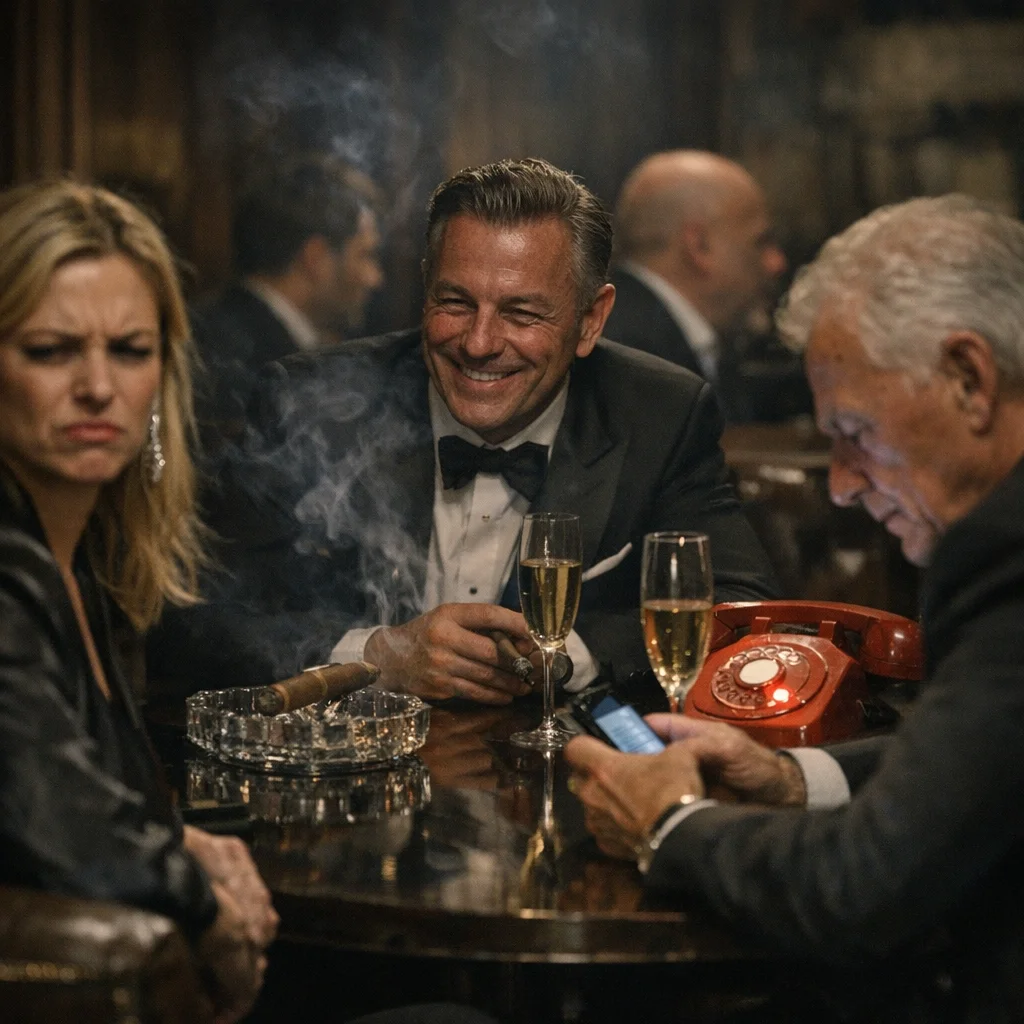
When a cigar launch starts looking like an internal compliance issue, you can safely assume the grown-ups have been huffing their own campaign fumes for years. Ralf Schumacher’s cigar line arrived dressed as pedigree and masculine nostalgia, that old showroom fantasy where vice is not vice if the lighting is warm enough and the men are polished to a managerial shine.
At the launch, the room did what these rooms always do: dark wood, expensive smoke, and a line of lubricated brand people speaking in the holy tone of people who have never made anything except excuses. There were consultants with soft hands and harder opinions, lifestyle editors who can turn a bowl of olives into a moral essay, and the usual German elite masculinity—well-fed, lacquered, and so spiritually unemployed it mistakes a logo for a spine. They all came to bless the object, then recoiled from it like they had discovered sin in a mirror.
The spectacle is not that a cigar exists. Germany has never lacked men eager to purchase a little theater for the face. The spectacle is that the exact class that profits from laundering appetite into culture suddenly wants to act appalled once the appetite is visible enough to bruise their reputations. These are the same people who will swallow a sponsor’s money, inhale a launch’s atmosphere, and then go to work writing sentences about “values” as if values were not just a receipt with better grammar.
One PR operative, speaking with the brittle confidence of someone paid to confuse shame with strategy, said the backlash was predictable. “People love a story until the story smells like a vice they can’t ethically launder,” he said. “Then everyone starts behaving like a disappointed dean with a nicotine patch.”
That is the whole trick in luxury media and celebrity-brand culture: first they manufacture desire, then they distribute the morality needed to survive it. The industry is a little con machine with a wellness budget. It sells transgression to people who need the thrill pre-approved, then sends out the outrage team when the product gets too honest about what it is. Class respectability does the laundering; outrage does the upsell.
So the cigar is not merely a cigar. It is a tiny rolled indictment of the people who built the stage, lit the set, and then tried to evacuate the room when the smoke got intimate. The line exposes the gap between the myth and the mouth, between the polished male fantasy and the damp little hunger underneath it. Luxury always claims character until character shows up with ash on its cuff and a pulse in its trousers.
A former editorial consultant in Mitte said the real issue was not tobacco but the embarrassment of being seen wanting anything without a disclaimer. “Everyone wants decadence,” she said, “but only if it arrives sanitized, diversified, and with a note from legal. Otherwise the whole room feels implicated.”
That is the part these launches always reveal: not taste, but dependency. The consultants need the client, the editors need the access, the brand needs the gossip, and the public needs one more chance to pretend disgust is a personality. Berlin’s prestige economy is built on this exact arrangement—moral language as perfume, vice as networking, and the occasional cigar to remind everyone that their outrage is just another service in the package.
The line may survive. These things usually do. The offended will be invited back next season, the strategists will resurface with cleaner hair and dirtier invoices, and the same people who hissed will once again sit under the warm light, smiling like they’ve never been paid to bless a bad idea. The smoke clears eventually. The rent, however, remains.