Zuse Museum Board Pulls Out Before Hoyerswerda Pays Up
Heritage association threatens to abandon the foundation while the cash-strapped city and housing firm cite mounting deficits that would burden local taxpayers.
Gentrification & Small-Time Power Correspondent
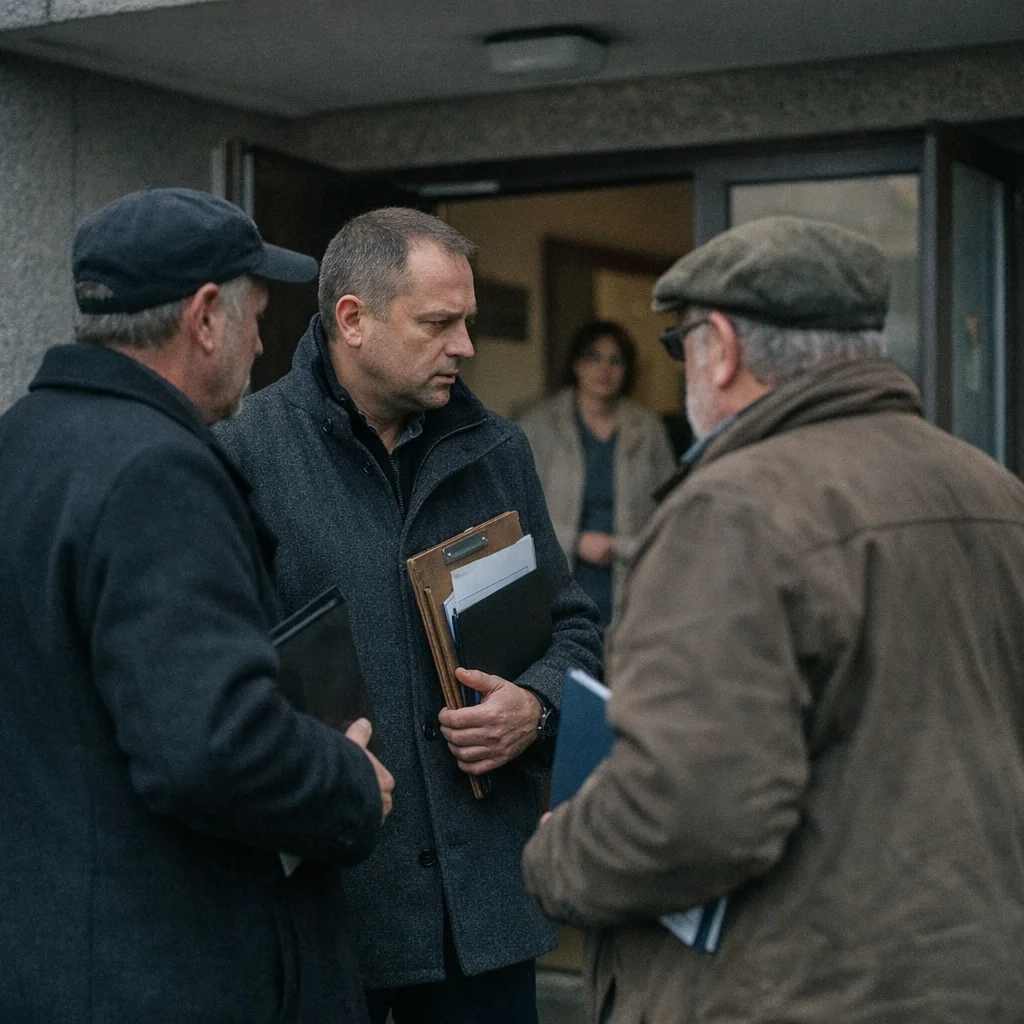
Nobody wants to pay the tab, only to be seen at the table
The fight over the Zuse Museum in Hoyerswerda has landed in Berlin’s favorite moral theater, where everyone arrives dressed as a guardian of memory and leaves with their hands clean and somebody else’s bill tucked into the napkin. In Wedding, where old shopfronts vanish faster than tenants can finish a sentence about “community value,” the museum’s predicament sounded less like a regional dispute than a familiar civic ritual: one side wants the prestige, the other side wants the receipts buried.
Near Leopoldplatz, a local historian who asked not to be named because he has already spent too much of his life arguing with grant language said the whole thing had the scent of a boardroom after midnight. “They love the inventor when he is dead, framed, and suitable for speeches,” he said. “The moment the foundation needs actual money, everyone suddenly discovers budget discipline and a spine.”
The heritage association wants the foundation kept alive. The city and the housing firm say the deficits are too steep and that any rescue would land on local taxpayers already being worked over by rent, repairs, and all the other polished forms of civic extraction. That is the standard maneuver: institutions brag about stewardship while quietly keeping their distance, like a man in a too-tight suit promising support from the doorway but refusing to come closer unless somebody else buys dinner.
The city’s arithmetic is not exotic. It is the same arithmetic that lets swimming pools close, libraries limp along, and public buildings rot while every press statement insists this is all being handled responsibly. A Hoyerswerda official framed the refusal in the usual antiseptic language of “unavoidable deficits” and “long-term burden,” which is bureaucratic code for wanting the honor without the obligation. The housing company, for its part, sounds eager to be associated with the museum’s cultural glow so long as nobody expects it to keep the lights on.
Berlin understands this posture perfectly. The capital has built an entire class of people who can talk about remembrance, innovation, and civic dignity over oat milk while silently waiting for some smaller municipality to get underneath the weight. In Wedding, the same species of respectable parasite appears in different clothes: gallery volunteers, neighborhood foundation types, heritage patrons, and property managers all circling the same plaque, each one insisting they believe in culture right up until culture produces a maintenance invoice.
What makes the Zuse affair especially dreary is the studied innocence of the refusal. Nobody says the museum should disappear; they simply make survival so expensive and humiliating that abandonment starts looking like an administrative virtue. The board keeps its hands on the institution while the city keeps its hands off its wallet, and everyone performs concern so well that the collapse can be blamed on circumstance instead of cowardice.
In practice, this is how German public life maintains its moral posture: one side poses as a patron, the other as a guardian of fiscal reason, and both hover around the same object as if touching it too directly might create obligations. The museum becomes the thing everybody claims to value and nobody wants to carry home. The language stays respectable. The liability does not.
For now, the museum remains open, which in this country usually means only that the paperwork has not yet caught up with the surrender. More talks are coming, more warnings are certain, and more people will line up to praise the legacy of Konrad Zuse while refusing to underwrite the foundation that keeps his name from becoming another polished excuse for municipal neglect.